Hiking Near Denver: The Ultimate Guide for 2026
February 5, 2026
Table of Contents
-
Best Easy Hikes Near Denver (Under 5 Miles)
Red Rocks Trading Post Trail -
Best Moderate Hikes Near Denver (5-8 Miles)
Mount Falcon Park -
Frequently Asked Questions
What's the best hike near Denver for beginners?
Why Denver is a Hiker's Paradise
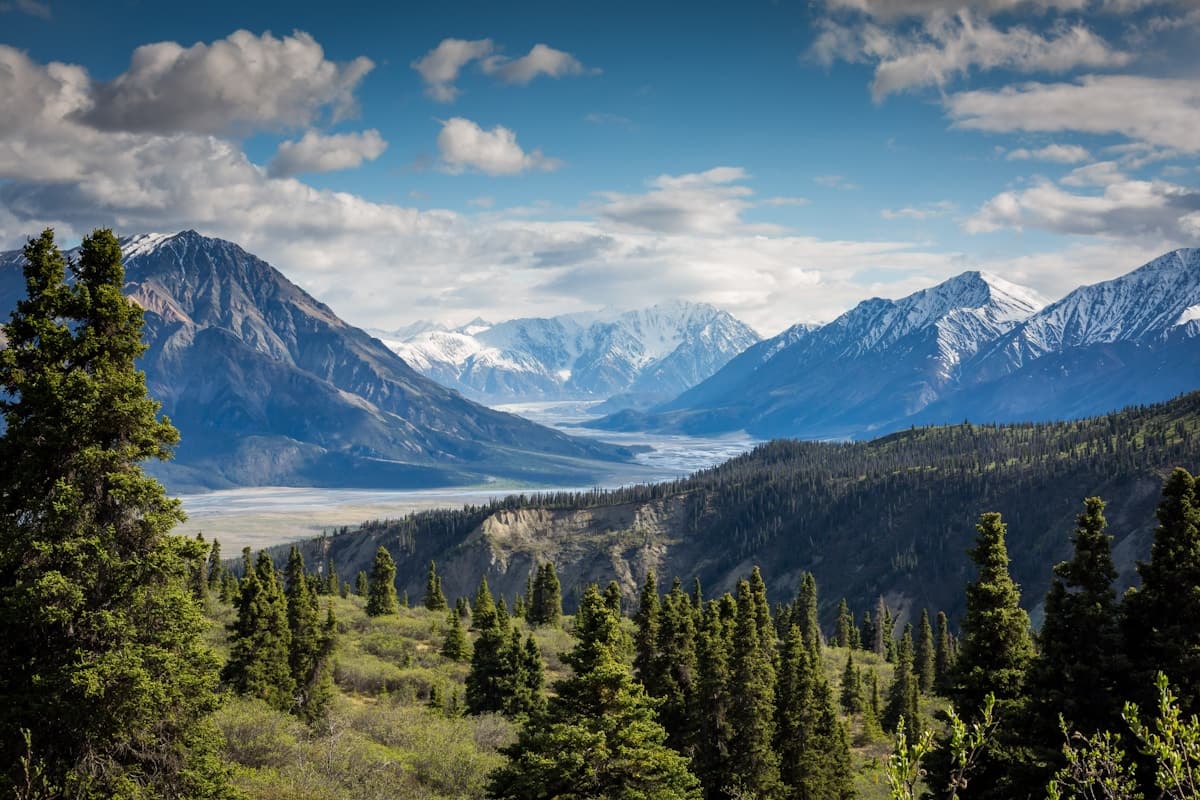
Denver's location at the base of the Rocky Mountains makes it one of the best cities in America for hiking access. Within an hour's drive, you can reach hundreds of trails ranging from gentle nature walks to challenging mountain summits. Whether you're a visitor looking for a quick escape or a local seeking your next weekend adventure, this guide covers everything you need to know about hiking near Denver.
The Mile High City sits at 5,280 feet elevation, which means even "low elevation" hikes here are higher than most peaks east of the Mississippi. This guide organizes trails by difficulty and distance from downtown, helping you find the perfect hike for your fitness level and available time.
Best Easy Hikes Near Denver (Under 5 Miles)
Red Rocks Trading Post Trail
Distance: 1.4 miles | Elevation Gain: 300 ft | Drive Time: 25 min from Denver
This iconic trail loops through Red Rocks Park, offering stunning views of the famous red rock formations and the amphitheater. The trail is well-maintained and suitable for beginners, though the red dirt can be slippery when wet. Best visited early morning or sunset for dramatic lighting. Read our complete Red Rocks guide.
Lair o' the Bear Park
Distance: 2-4 miles (various loops) | Elevation Gain: 200-400 ft | Drive Time: 35 min
A family-friendly destination along Bear Creek with multiple trail options. The creekside path is nearly flat and perfect for kids, while connecting trails offer more challenge. Dogs allowed on leash. Excellent for summer creek play.
Matthews/Winters Park
Distance: 2.4 miles | Elevation Gain: 500 ft | Drive Time: 20 min
Red Rocks Trail in this Jefferson County park provides a moderate workout with stunning geology. The red sandstone formations rival nearby Red Rocks Park but with fewer crowds. Great wildflowers in spring.
Alderfer/Three Sisters Park
Distance: 2-5 miles (various) | Elevation Gain: 400-800 ft | Drive Time: 40 min
Multiple interconnected trails through pine forests and rock outcroppings near Evergreen. The Sisters Trail offers a quick summit experience, while longer loops provide half-day adventures.
Best Moderate Hikes Near Denver (5-8 Miles)
Mount Falcon Park
Distance: 4-7 miles | Elevation Gain: 800-1,200 ft | Drive Time: 35 min
Home to the ruins of John Brisben Walker's castle, Mount Falcon offers stunning views of Denver and the Continental Divide. The Castle Trail climbs to the historic ruins while the Tower Trail reaches an old fire lookout. Multiple loop options available.
Elk Meadow Park – Bergen Peak
Distance: 9.4 miles | Elevation Gain: 1,900 ft | Drive Time: 40 min
A more serious undertaking that rewards with 360-degree views from Bergen Peak (9,708 ft). Start early to beat afternoon thunderstorms. This hike provides excellent training for 14ers.
Golden Gate Canyon State Park
Distance: 3-12 miles (various) | Elevation Gain: Varies | Drive Time: 45 min
This state park offers extensive trail networks through aspen groves and pine forests. Raccoon Trail and Mule Deer Trail make excellent moderate loops. State park pass required.
St. Mary's Glacier
Distance: 1.5 miles | Elevation Gain: 700 ft | Drive Time: 50 min
A short but steep hike to Colorado's most accessible glacier and alpine lake. Starting at 10,400 feet, this trail provides a taste of alpine hiking without a long approach. Popular year-round—bring traction devices in winter. Read our complete St. Mary's Glacier guide.
Best Challenging Hikes Near Denver
Chief Mountain
Distance: 3.6 miles | Elevation Gain: 1,500 ft | Drive Time: 45 min
A steep climb to a panoramic summit near Idaho Springs. The trail gains elevation quickly but rewards with views of the Continental Divide, Mount Evans, and the Denver skyline. Technical finish requires some scrambling.
South Boulder Peak via Shadow Canyon
Distance: 6.5 miles | Elevation Gain: 2,400 ft | Drive Time: 40 min
One of the Front Range's most challenging day hikes. The Shadow Canyon approach is steep and rocky, but the summit views are spectacular. For experienced hikers only.
Mount Bierstadt
Distance: 7 miles | Elevation Gain: 2,850 ft | Drive Time: 1 hour 15 min
The closest "easy" 14er to Denver, Mount Bierstadt makes an excellent first fourteener. Start before sunrise to avoid afternoon storms. Trailhead at Guanella Pass (11,669 ft).
Grays and Torreys Peaks
Distance: 8.4 miles | Elevation Gain: 3,600 ft | Drive Time: 1 hour 15 min
Two 14ers in one day! This classic combo is popular for good reason—well-maintained trails and spectacular views. Learn more about beginner-friendly 14ers.
Best Hikes Within 30 Minutes of Denver
For those short on time, these trails offer great experiences without a long drive:
-
Mount Galbraith (30 min) – 4.2 miles, 1,000 ft gain. Nice loop with city views.
-
North Table Mountain (20 min) – 5.5 mile loop, 1,000 ft gain. Mesa top in Golden.
-
White Ranch Park (35 min) – Multiple trails, great for mountain biking too.
-
Waterton Canyon (30 min) – 12.4 miles out-and-back along the South Platte. Flat and paved for first 6 miles.
-
Apex Park (25 min) – 4-mile loop with moderate climbing near Golden.
See our complete list of 14 best day hikes near Denver.
Hikes by Season
Spring (March-May)
Lower elevation trails become accessible as snow melts. Watch for mud and afternoon thunderstorms. Good time for:
-
Red Rocks area trails
-
Roxborough State Park
-
Castlewood Canyon
Summer (June-August)
Prime hiking season for higher elevations. Alpine trails above 10,000 feet are typically snow-free by late June. Start early to avoid afternoon thunderstorms (aim to be below treeline by noon). Best for:
-
14ers and high alpine trails
-
St. Mary's Glacier
-
Rocky Mountain National Park
Fall (September-October)
Many hikers' favorite season. Cooler temperatures, smaller crowds, and spectacular fall colors (peak usually late September). Perfect for:
-
Aspen grove hikes in Golden Gate Canyon
-
Elk Meadow during elk rutting season
-
Any moderate-elevation trail
Winter (November-February)
Many trails remain accessible with proper gear. Lower elevation south-facing trails often stay dry. Bring appropriate footwear and traction devices. Best bets:
-
Red Rocks Park
-
Roxborough State Park
-
Matthews/Winters Park
Essential Gear for Denver Area Hiking
Colorado's weather changes rapidly. Even on short hikes, bring:
The 10 Essentials
-
Navigation – Trail map or hiking app
-
Sun protection – Sunscreen, hat, sunglasses (UV is intense at altitude)
-
Insulation – Extra layer even in summer
-
Illumination – Headlamp with extra batteries
-
First aid supplies
-
Fire – Waterproof matches/lighter
-
Repair tools – Knife, duct tape
-
Nutrition – Extra hiking food
-
Hydration – More water than you think (1 liter per 2 hours)
-
Emergency shelter – Space blanket minimum
Recommended Footwear
Colorado's rocky trails demand good footwear. Trail runners work for well-maintained paths, but hiking boots provide better ankle support for rocky terrain. See our hiking boot recommendations.
Altitude Considerations
Denver sits at 5,280 feet, and many nearby trails reach 8,000-14,000+ feet. If you're visiting from sea level:
-
Take it easy – Your first day or two, stick to easier trails
-
Hydrate aggressively – Drink 3-4 liters per day minimum
-
Watch for symptoms – Headache, nausea, and fatigue can indicate altitude sickness
-
Descend if needed – The only cure for altitude sickness is descending
-
Avoid alcohol – At least for the first 24-48 hours
Give yourself 1-2 days to acclimate before attempting strenuous high-altitude hikes.
Trail Etiquette and Safety
Right of Way
-
Hikers going uphill have right of way
-
Yield to horses (step to downhill side of trail)
-
Bikes typically yield to hikers, but be alert
Leave No Trace
-
Pack out all trash (yes, including banana peels)
-
Stay on established trails
-
Don't pick wildflowers or disturb wildlife
-
Bury human waste 6-8 inches deep, 200 feet from water
Wildlife Safety
You may encounter Colorado wildlife including:
-
Black bears – Make noise, don't run, back away slowly
-
Mountain lions – Rare encounters; appear large, don't run
-
Rattlesnakes – Watch where you step, especially in warm months
-
Moose – Give wide berth; they're more dangerous than bears
Parking and Trailhead Tips
Popular Trailhead Strategies
-
Arrive early – Popular trailheads fill by 7-8 AM on weekends
-
Weekday hiking – Significantly fewer crowds
-
Alternative trailheads – Many trails have multiple access points
-
Carpool – Reduce parking pressure and your carbon footprint
Parking Passes
-
Jefferson County Parks – Free for county residents; $6/day or $40/year for non-residents
-
State Parks – $10/day or $80/annual pass
-
National Forest – Most trailheads free; some require fee
Frequently Asked Questions
What's the best hike near Denver for beginners?
Red Rocks Trading Post Trail offers an easy introduction to Colorado hiking with iconic scenery. For something slightly more challenging, try Lair o' the Bear Park.
How early should I start hiking in summer?
For alpine hikes above treeline, start by 5-6 AM to summit and descend before afternoon thunderstorms (typically 12-2 PM). For lower elevation hikes, early starts still beat the heat and crowds.
Are dogs allowed on Denver area trails?
Many trails allow leashed dogs. Jefferson County Open Space parks are particularly dog-friendly. Check regulations before you go—some areas require leashes while others prohibit dogs entirely.
Do I need hiking boots or are sneakers okay?
For well-maintained trails under 5 miles, athletic shoes or trail runners work fine. For longer hikes, rocky terrain, or anything above treeline, hiking boots provide valuable ankle support. Hiking sandals work for some easier trails in summer.
What if I encounter a thunderstorm?
Get below treeline immediately. Avoid ridges, lone trees, and bodies of water. Crouch low (don't lie flat) if you can't reach shelter. Lightning is the most common cause of weather-related fatalities in Colorado.
Plan Your Denver Hiking Adventure
Ready to hit the trails? Start with an easier hike to assess your fitness at altitude, then work your way up to more challenging terrain. Check out our 9 quick day hikes for more short-trip options, or explore our insider's guide to hiking in Colorado for statewide tips.
The Front Range offers lifetime of exploration—from quick after-work trails to bucket-list 14er summits. See you on the trail!
Disclosure: Some links in this article are affiliate links. If you make a purchase through these links, we may earn a small commission at no extra cost to you. This helps support Colorado United and allows us to keep creating free hiking content. We only recommend products we genuinely believe in.