Colorado Hiking for Beginners: Your Complete Getting Started Guide
Table of Contents
Welcome to Colorado Hiking
Colorado is one of the best places in the world to hike. With over 300 days of sunshine, 58 peaks above 14,000 feet, and thousands of miles of trails, the Centennial State offers endless opportunities for outdoor adventure. But all that awesomeness comes with some unique challenges that newcomers need to understand.
This guide will walk you through everything you need to know to start hiking in Colorado safely and enjoyably, from dealing with altitude to choosing the right gear to finding trails perfect for beginners.
Understanding Altitude: The Biggest Adjustment
Why Altitude Matters
Denver sits at 5,280 feet, already higher than most cities in the country. Popular trails range from 7,000 to over 14,000 feet. At these elevations, air contains less oxygen (roughly 17% less at 10,000 feet than at sea level), which affects your body in several ways:
-
Your heart and lungs work harder
-
You tire more quickly
-
Dehydration happens faster
-
Headaches and nausea can occur (altitude sickness)
How to Acclimatize
If you're visiting from lower elevations:
-
Day 1-2: Take it easy. Stay at your arrival elevation, hydrate, avoid alcohol
-
Day 2-3: Try an easy, lower-elevation hike (below 9,000 feet)
-
Day 3+: Gradually increase elevation and difficulty
-
Hydrate constantly: Drink 3-4 liters of water daily, even when not active
-
Listen to your body: Headache, nausea, or unusual fatigue means slow down
Altitude Sickness Warning Signs
Mild symptoms (very common):
-
Headache
-
Fatigue
-
Loss of appetite
-
Difficulty sleeping
Serious symptoms (descend immediately):
-
Severe headache not relieved by ibuprofen
-
Confusion or disorientation
-
Loss of coordination
-
Persistent vomiting
-
Shortness of breath at rest
The only cure for altitude sickness is descending to lower elevation.
Must-Have Gear for Colorado Hiking
The Ten Essentials
Never hit the trail without these basics:
-
Navigation: Trail map and/or GPS app. Don't rely solely on phone, batteries die and service disappears.
-
Sun protection: Sunscreen (SPF 30+), sunglasses, hat. UV rays are 25% stronger at 10,000 feet.
-
Insulation: Extra warm layer even in summer. Mountain temps drop dramatically with elevation and weather changes.
-
Illumination: Headlamp with extra batteries. Getting caught after dark happens more often than you'd think.
-
First aid supplies: Basic kit with blister treatment, pain relief, bandages.
-
Fire: Waterproof matches or lighter. Emergency use only (respect fire bans).
-
Repair tools: Knife or multi-tool, duct tape, gear repair items.
-
Nutrition: Extra hiking food beyond what you think you need.
-
Hydration: More water than planned, 1 liter per 2 hours of hiking minimum.
-
Emergency shelter: Space blanket at minimum. Bivy sack for longer trips.
For a complete starter kit, a quality pair of hiking boots, a comfortable daypack, and trekking poles will cover the basics for most Colorado trails.
Footwear
Good hiking boots make all the difference on Colorado's rocky trails. For beginners:
-
Start with mid-cut boots for ankle support
-
Ensure waterproof membrane (Gore-Tex or similar)
-
Break them in before hitting serious trails
-
Pair with quality merino wool socks
For easier trails, hiking sandals or trail runners can work in dry conditions.
Clothing Layers
Colorado weather changes fast. The layering system:
-
Base layer: Moisture-wicking synthetic or merino wool (never cotton)
-
Mid layer: Insulating fleece or down
-
Outer layer: Waterproof, windproof shell
Even on warm summer days, bring a rain jacket and warm layer. Temperatures can drop 30°F in an hour when storms roll in.
Best Beginner Trails in Colorado
Near Denver
-
Garden of the Gods Perkins Central Garden Trail (1.1 mi, 50 ft gain) – Iconic scenery, easy terrain
-
Lair o' the Bear (2-4 mi, 200-400 ft gain) – Creekside family trail
-
Maxwell Falls (3 mi, 600 ft gain) – Pretty waterfall destination
See more day hikes near Denver
Near Boulder
-
Chautauqua Trail (2.6 mi, 800 ft gain) – Classic Flatirons views
-
Walden Ponds (2.5 mi, flat) – Easy lakeside loop
-
Boulder Canyon Trail (various lengths) – Creekside hiking
Near Colorado Springs
-
Garden of the Gods Central Garden Trail (1.5 mi, flat) – Stunning red rock formations
-
Palmer Park Loop (4 mi, 600 ft gain) – City views and varied terrain
Rocky Mountain National Park
-
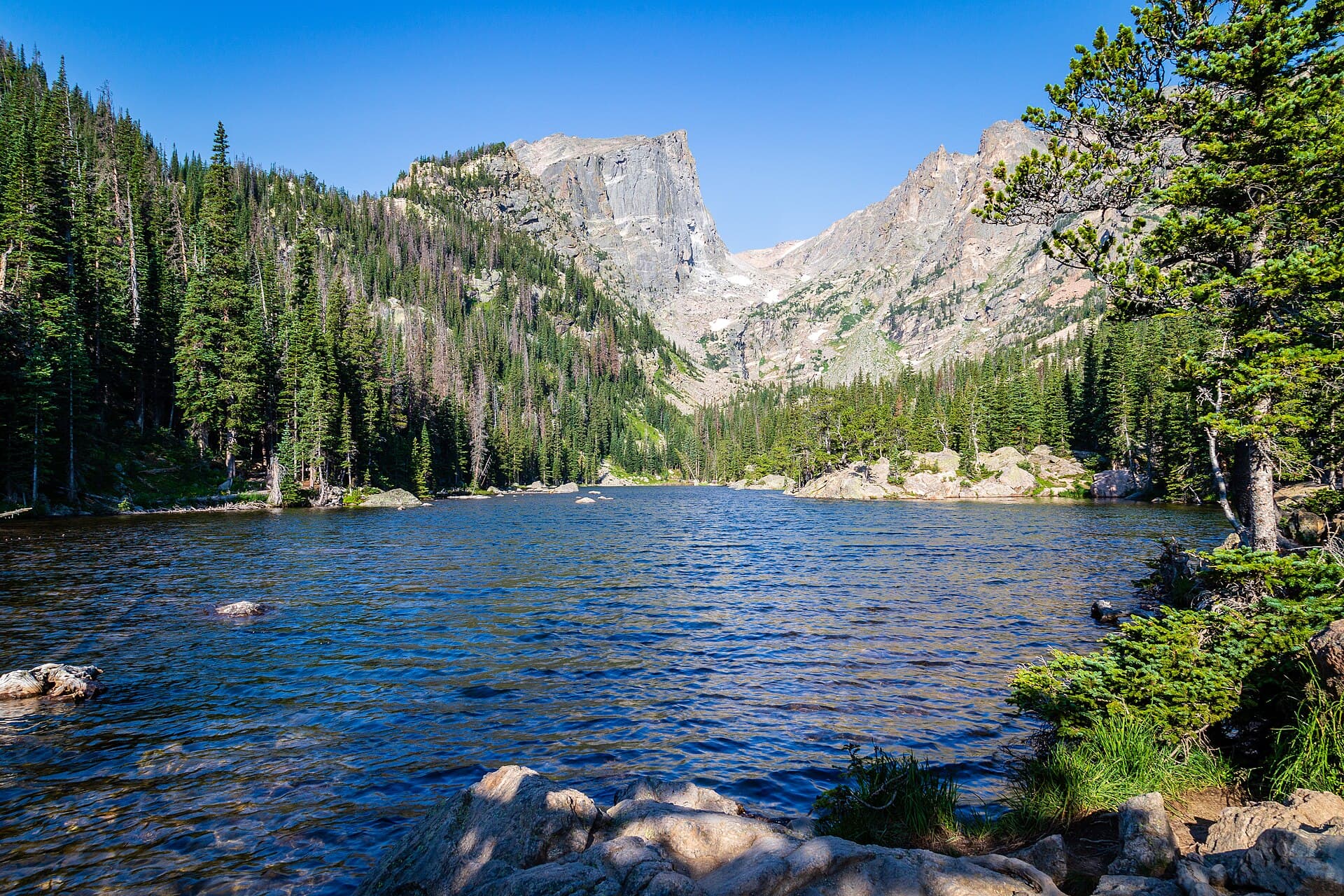
Bear Lake Loop (0.8 mi, flat) – Accessible alpine lake
-
Alberta Falls (1.6 mi, 200 ft gain) – Beautiful waterfall, popular for good reason
-
Sprague Lake (0.7 mi, flat) – Wheelchair accessible, mountain views
Building Up
As you gain confidence, try:
-
St. Mary's Glacier (1.5 mi, 700 ft) – Alpine lake and glacier access
-
Hanging Lake (2.4 mi, 1,200 ft) – One of Colorado's most beautiful hikes (permit required)
-
Manitou Incline (1 mi, 2,000 ft) – Intense stair climb for those ready for a challenge
Trail Etiquette and Rules
Right of Way
-
Uphill hikers have priority – They're working harder and have limited sight lines
-
Yield to horses – Step to the downhill side, speak calmly so horses know you're human
-
Bikes typically yield to hikers – But be alert on multi-use trails
Leave No Trace Principles
-
Plan ahead and prepare – Research trail conditions and regulations
-
Travel on durable surfaces – Stay on established trails
-
Dispose of waste properly – Pack out everything you pack in
-
Leave what you find – Don't pick flowers or take rocks
-
Minimize campfire impacts – Use a stove when possible
-
Respect wildlife – Observe from distance, never feed animals
-
Be considerate of others – Keep noise down, yield appropriately
Trail Closures
Obey all closure signs. Trails close for:
-
Wildlife protection (nesting raptors, denning bears)
-
Erosion repair
-
Fire danger
-
Hazardous conditions
Weather and Timing
The Thunderstorm Rule
Colorado's biggest weather danger: afternoon thunderstorms. From June through August, storms develop almost daily, typically between noon and 4 PM. Lightning kills more people in Colorado than any other natural hazard.
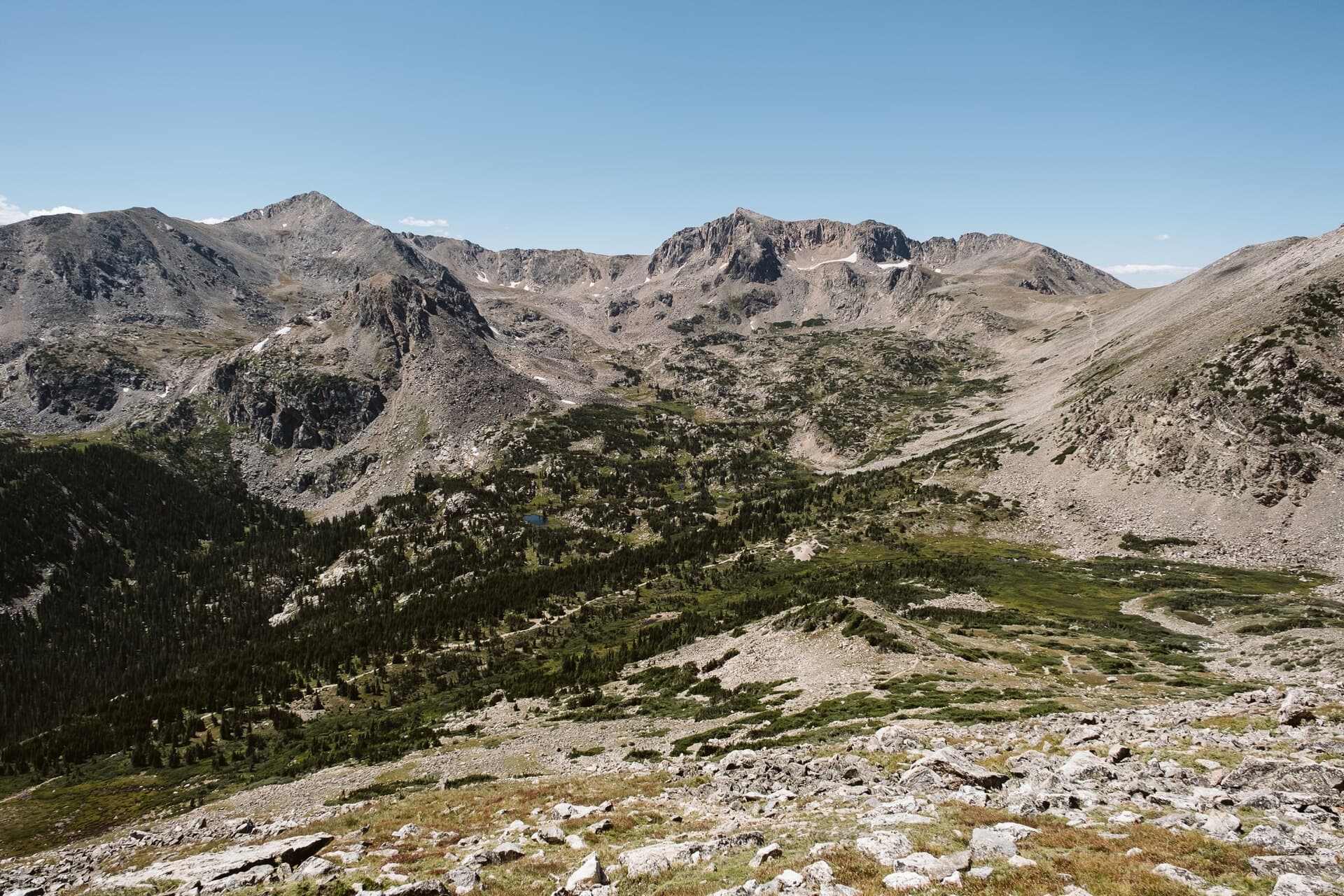
The rule: On any high-elevation hike, plan to be below treeline (approximately 11,500 feet) by noon.
If caught in a storm:
-
Get off ridges, peaks, and exposed areas immediately
-
Descend to lower elevation
-
Avoid lone trees, bodies of water, and metal objects
-
If you can't escape, crouch low with feet together (don't lie flat)
Best Hiking Seasons
Summer (June-August):
Peak season. Higher trails open as snow melts (typically late June for alpine). Watch for afternoon storms. Start early.
Fall (September-October):
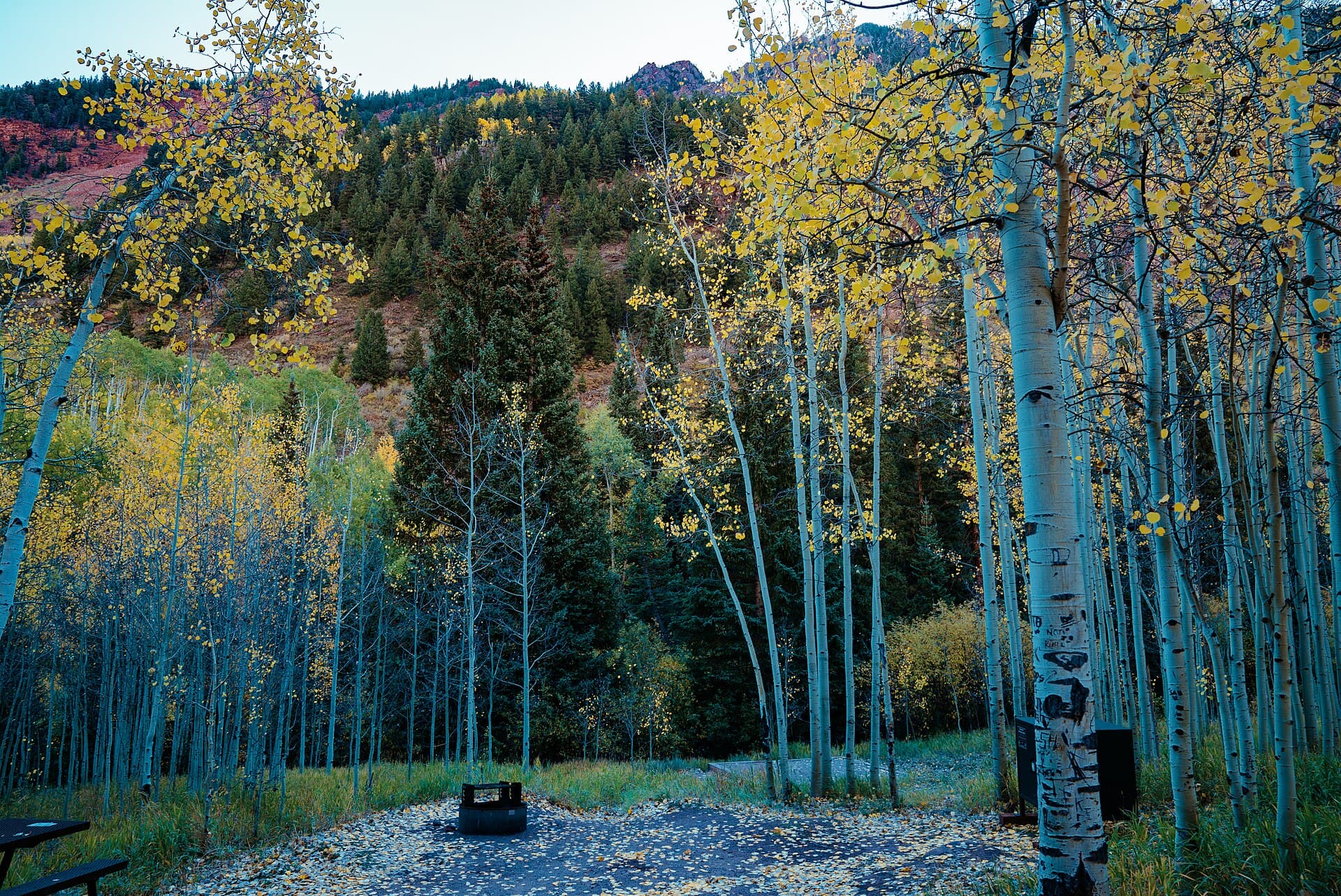
Many hikers' favorite season. Cooler temps, smaller crowds, stunning fall colors. Most trails accessible until first major snows (usually late October).
Winter (November-March):
Many lower-elevation trails remain hikeable. Bring appropriate footwear and traction devices. Check conditions before heading out.
Spring (April-May):
Transition season. Lower trails often muddy. Higher trails snow-covered. Check current conditions before any hike.
Checking Conditions
-
AllTrails: Recent trail reports from other hikers
-
14ers.com: Conditions for high peaks
-
USFS/NPS websites: Official closures and conditions
-
Local hiking Facebook groups: Real-time beta from locals
Wildlife Awareness
Colorado hosts diverse wildlife that you may encounter on trails:
Black Bears
-
Make noise while hiking (especially in dense vegetation)
-
Never run, back away slowly while facing the bear
-
If a black bear attacks, fight back
-
Store food properly (bear canisters required in some areas)
Mountain Lions
-
Rarely seen, but present throughout Colorado
-
Don't run, appear large, maintain eye contact
-
If attacked, fight back aggressively
-
Keep children close
Moose
-
Actually more dangerous than bears, very aggressive
-
Give them wide berth (at least 75 feet)
-
If charged, get behind a tree or rock
-
Most common near water and willows
Elk
-
Generally docile but dangerous during rut (September-October)
-
Keep distance, especially from bulls
Rattlesnakes
-
Common at lower elevations in warm months
-
Watch where you step and put your hands
-
Give them space if encountered, they'll retreat if possible
Building Your Hiking Fitness
Start Where You Are
Don't try to tackle a 10-mile hike your first time out. Build gradually:
-
Week 1-2: 2-3 mile hikes, minimal elevation gain
-
Week 3-4: 4-5 mile hikes, 500-1000 ft gain
-
Week 5-6: 5-7 mile hikes, 1000-1500 ft gain
-
Week 7-8: 7-10 mile hikes, 1500-2500 ft gain
Cross-Training
-
Cardio: Running, cycling, swimming (30-60 min, 3x/week)
-
Leg strength: Squats, lunges, step-ups
-
Stair climbing: Excellent preparation if you don't have hills nearby
-
Core work: Balance and stability help on uneven terrain
Progressive Goals
-
Complete 5-mile hike comfortably
-
Hike above 10,000 feet without issues
-
Complete 8-10 mile day with 2000+ ft gain
-
Attempt first beginner 14er
Navigation Basics
Read our complete navigation guide
Tools to Carry
-
Paper map: Doesn't need batteries
-
Compass: Learn basic use
-
GPS app: AllTrails, Gaia GPS, or similar. See our app recommendations.
-
Downloaded maps: Cell service is unreliable in mountains
Staying Found
-
Note landmarks as you hike
-
Turn around periodically to see what trail looks like from return direction
-
Take photos at junctions
-
If lost, stop and retrace to last known point
Planning Your First Hikes
Pre-Hike Checklist
-
☐ Check weather forecast
-
☐ Research trail conditions
-
☐ Tell someone your plans and expected return time
-
☐ Pack the 10 essentials
-
☐ Check trailhead parking requirements
-
☐ Verify any permits needed
-
☐ Charge phone, download offline maps
-
☐ Fill water bottles/bladder
-
☐ Check gear (headlamp batteries, etc.)
Trailhead Tips
-
Arrive early: Popular trailheads fill by 7-8 AM on weekends
-
Parking fees: Some areas require passes (Jefferson County, State Parks)
-
Bathroom planning: Not all trailheads have facilities
-
Lock valuables: Trailhead break-ins happen, don't leave visible items
Frequently Asked Questions
Do I need to be in great shape to hike in Colorado?
You need basic fitness, but you don't need to be an athlete. Start with easier trails and build up. The main challenge is altitude, give yourself time to adjust.
Can I hike alone?
Many people do, but solo hiking carries more risk. If you hike alone: tell someone your plans, stick to well-traveled trails, carry the 10 essentials, and know your limits.
What if I need to use the bathroom on the trail?
For #1: go at least 200 feet from trails and water. For #2: dig a cat hole 6-8 inches deep, at least 200 feet from trails and water. Pack out toilet paper or use natural alternatives.
How much water should I bring?
Plan for 1 liter per 2 hours of hiking, more in heat or at high elevation. A 6-hour hike needs 3+ liters. Always bring more than you think you'll need.
When is the best time to visit Colorado for hiking?
July-September offers the most accessible trails and best weather. Fall (late September-early October) brings stunning colors and fewer crowds. Spring and early summer mean snow at higher elevations.
Next Steps
Ready to explore? Here's how to continue your Colorado hiking journey:
You can also browse our trail directory with 59 detailed trail guides searchable by difficulty, distance, and region.
Colorado's trails are waiting. Start small, stay safe, and enjoy the journey. See you out there!
Get the Colorado 14er Packing Checklist (free PDF)
Plus a weekly note on the best Colorado trails, gear deals, and seasonal hike picks. No spam, unsubscribe anytime.
We respect your inbox. Unsubscribe anytime.