The Magic of Hiking in Colorado: 2026 Guide to the Trails
January 2, 2026
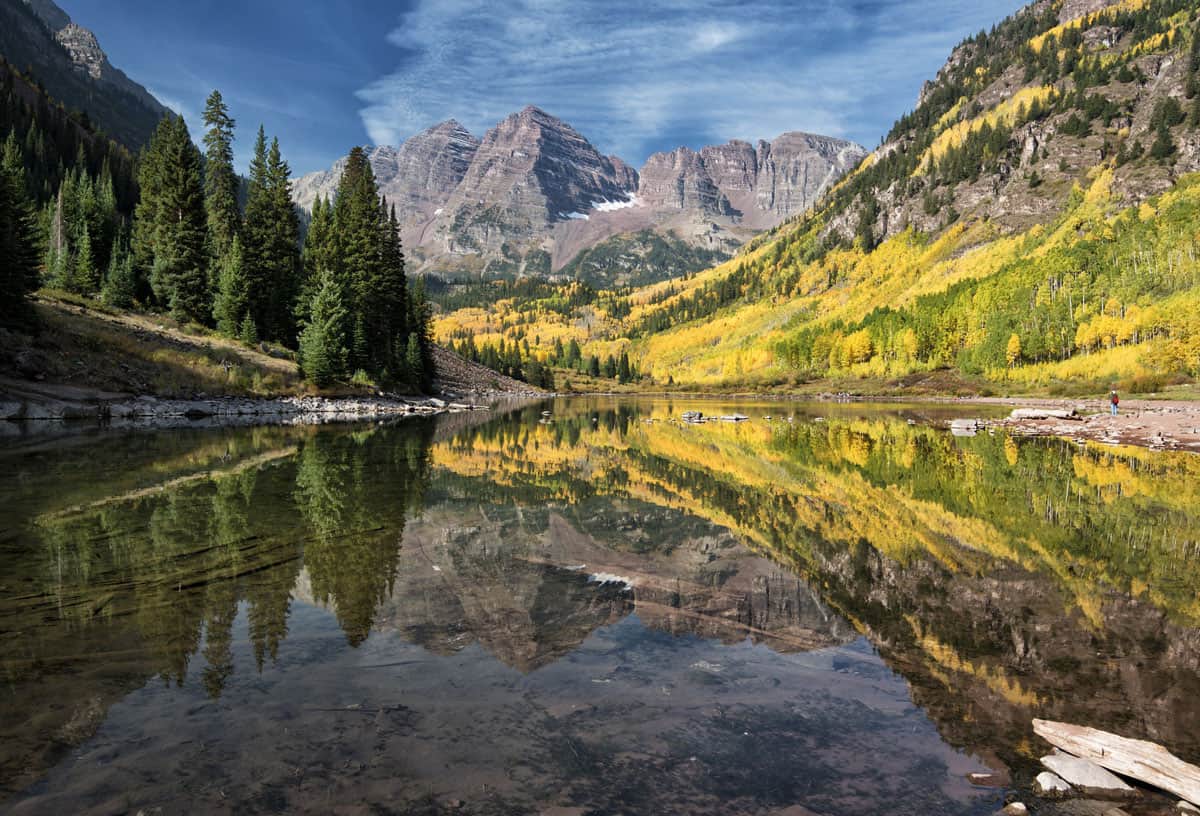
Colorado! The word conjures images of rugged peaks, cascading mountain streams, and crystal clear alpine lakes. Indeed, hiking in Colorado lives up to those expectations, but the state as a whole offers so much more. Colorado's western canyon country carved by raging torrents, is rich in dinosaur graveyards and the artifacts and ruins of Ancestral Puebloan and Fremont Indians, all well worth exploring. The Eastern Plains, long thought too flat to be scenic, have plenty of natural and delightful hiking trails. Buttes rise above the plains, providing a haven for hawks and falcons, while southeastern canyons cache signs of ancient inhabitants including American Indian petroglyphs and North America's largest known dinosaur trackside.
A Geological Wonderland
About 355 million years ago, Colorado sat near the equator. Little crustaceans in shallow seas died and were compressed into limestone. The Ancestral Rockies were uplifted from the seas and formed part of the supercontinent Pangaea. As time progressed the mountains eroded, and coastal dunes became today's magnificent sandstone cliffs.
The present Rocky Mountains were uplifted starting 70 million years ago. Volcanic activity 25 million years ago created plateaus and several mountain ranges. Then, 25 million to 5 million years ago, the entire region began to rise 5,000 feet to its present elevation. Ice ages took hold of Colorado (by that time located north of the equator around the thirty-ninth parallel), and from 1.8 million to 12,000 years ago, glaciers carved the magnificent craggy peaks and U-shaped valleys we see today.
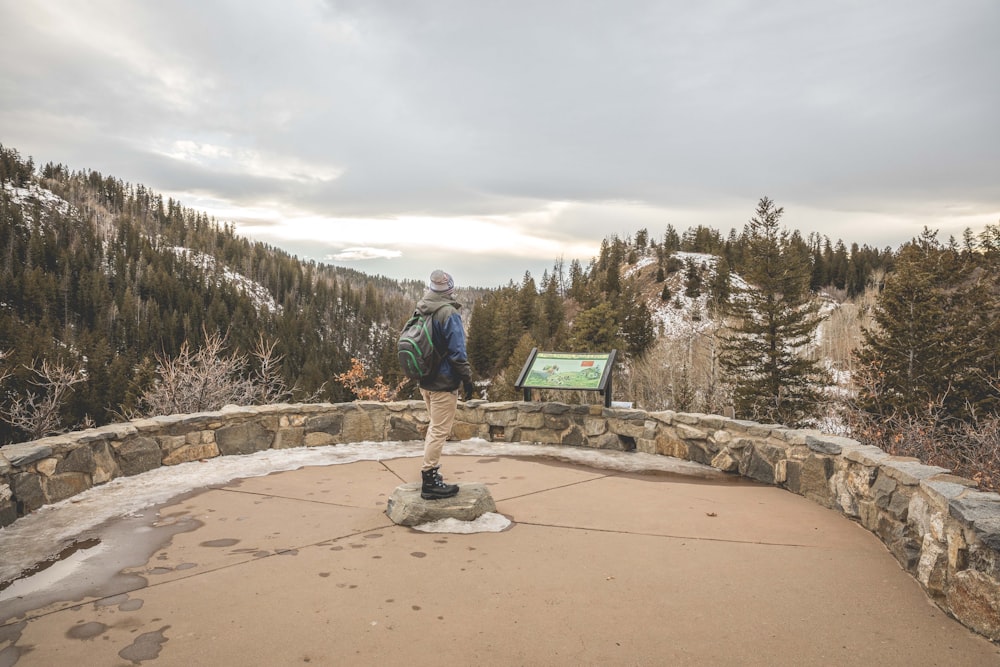
Rich Human History
Human history in Colorado started with hunter-gatherers, followed by the Ancestral Puebloan culture that, from 500 BC to AD 1300, farmed then built pueblos and magnificent cliff dwellings in the southwest corner of the state. After AD 1300, other Native Americans moved into the Eastern Plains and mountain valleys. Spanish explorers arrived in the late 1500s, followed by trappers and traders.
The gold rush of 1859 was perhaps the most significant event in the state's history, bringing settlers, fortune seekers, and improved transportation. The railroad companies performed engineering miracles to conquer impassable mountains, hastening both the transportation of ore and the state's development. Later, equally impressive roads were built for the automobile.
Why Hike in Colorado?
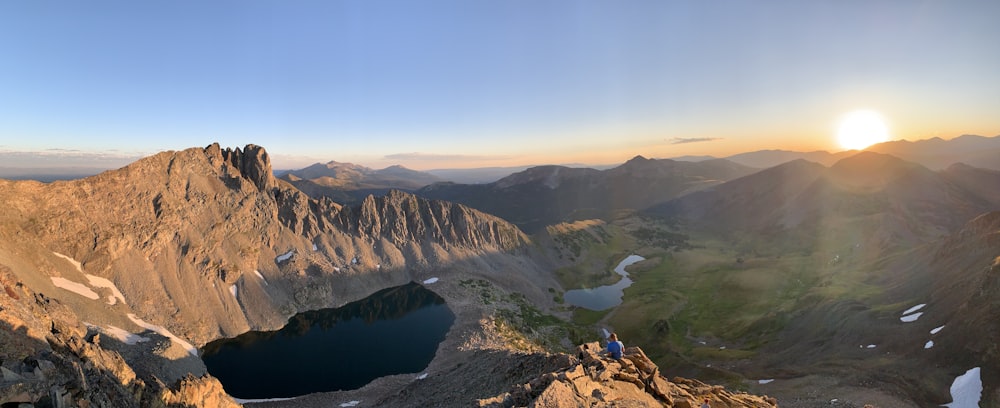
Today these roads provide us with relatively easy travel to hiking trails. Hiking is one of the best ways to explore Colorado. With over 58 peaks exceeding 14,000 feet (known as "fourteeners" or "14ers"), hundreds of pristine alpine lakes, and thousands of miles of maintained trails, Colorado offers something for every skill level.
Top regions to explore include:
-
Rocky Mountain National Park – Over 350 miles of trails through stunning alpine scenery
-
San Juan Mountains – Wild, remote peaks with incredible fall colors
-
Indian Peaks Wilderness – Accessible beauty near Boulder
-
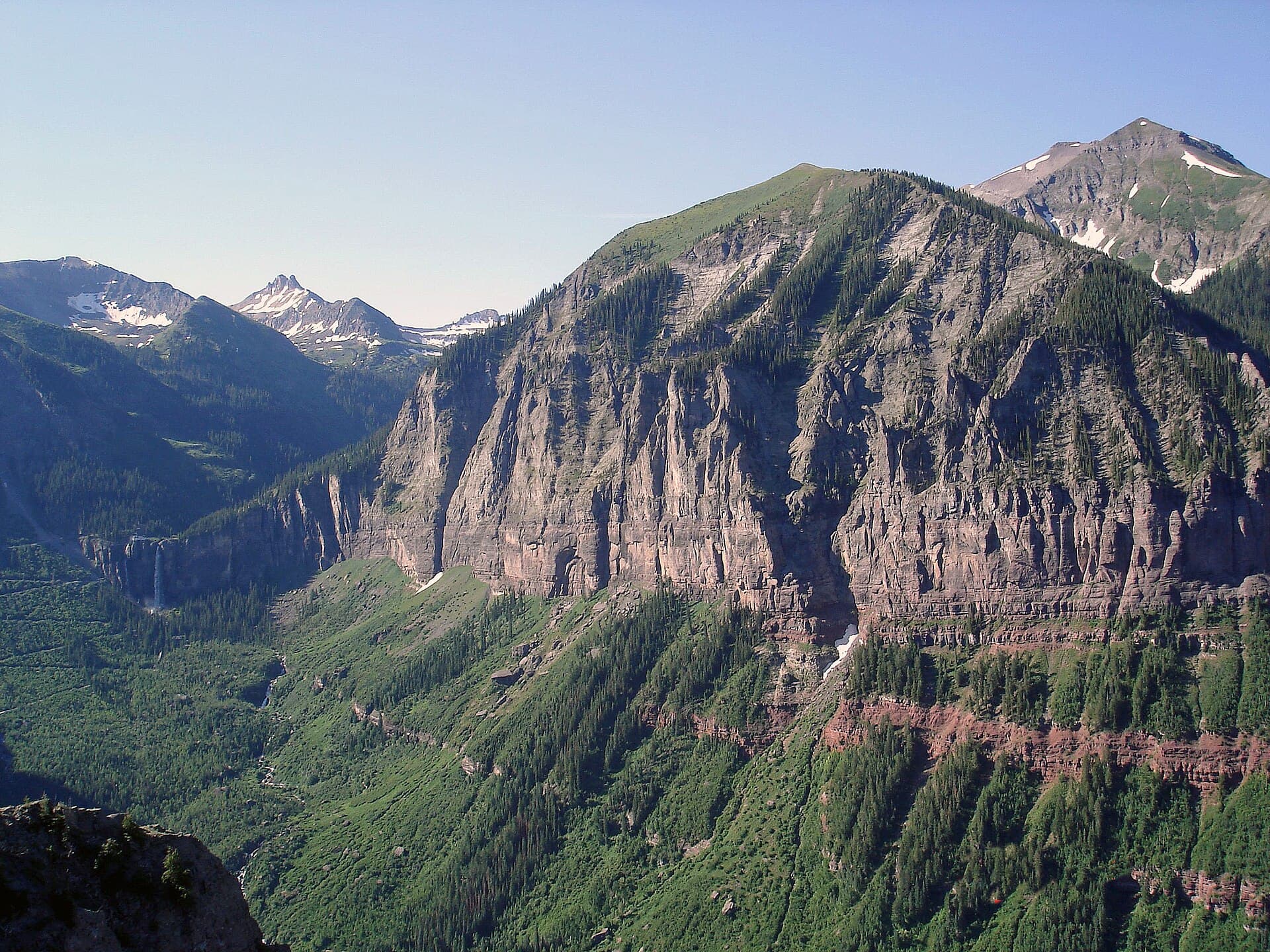
Telluride – World-class hiking in a stunning mountain town
-
Eldorado Canyon – Dramatic cliffs and varied trails
Essential Gear for Colorado Hiking
Colorado's high altitude and rapidly changing weather require proper preparation:
-
Quality hiking boots with good ankle support
-
A reliable daypack with room for layers and supplies
-
Layered clothing – weather can change dramatically
-
Sun protection – UV is intense at altitude
-
Plenty of water – dehydration is common in dry mountain air
-
Trekking poles for steep terrain
Start Your Adventure
The information on this site is a sample of what hiking in Colorado offers with its beautiful and varied terrain, its fascinating geology, flora and fauna, and human history. Hikes range from easy to strenuous, from a 1-mile loop around a waterfowl-filled lake to overnight backpacking trips.
Please realize that trail locations and conditions, roads and signage are subject to change over time. Trail mileage is as much an art as a science, even for land managers. We recommend checking current conditions before any hike and practicing Leave No Trace principles to preserve these special places for future generations.
Ready to explore? Check out our guides to the best Colorado hiking trails, day hikes near Denver, and easiest 14ers for beginners.
Frequently Asked Questions
What makes Colorado so good for hiking?
Colorado has over 25,000 miles of trails across diverse terrain, from desert canyons to alpine tundra. With 300+ days of sunshine, 58 fourteeners, and vast wilderness areas, it's one of the best hiking destinations in the world.
Do I need special gear for hiking in Colorado?
Beyond standard hiking gear, Colorado demands sun protection (UV is 25% stronger at altitude), layers for rapid weather changes, and rain gear for afternoon storms. Above 10,000 feet, bring extra water since you'll dehydrate faster.
How fit do I need to be to hike in Colorado?
You don't need to be an athlete for lower elevation trails. The altitude is the biggest challenge since sea-level residents will feel the thin air above 8,000 feet. Start with easy trails and build up to longer, higher hikes.
What wildlife will I see while hiking in Colorado?
Common sightings include mule deer, elk, marmots, pikas, and various raptors. Black bears and moose are less common but present in mountain areas. Keep a safe distance from all wildlife and never feed animals.
Disclosure: Some links in this article are affiliate links. If you make a purchase through these links, we may earn a small commission at no extra cost to you. This helps support Colorado United and allows us to keep creating free hiking content. We only recommend products we genuinely believe in.