7 Best Trekking Poles for Colorado Hiking in 2026
February 25, 2026
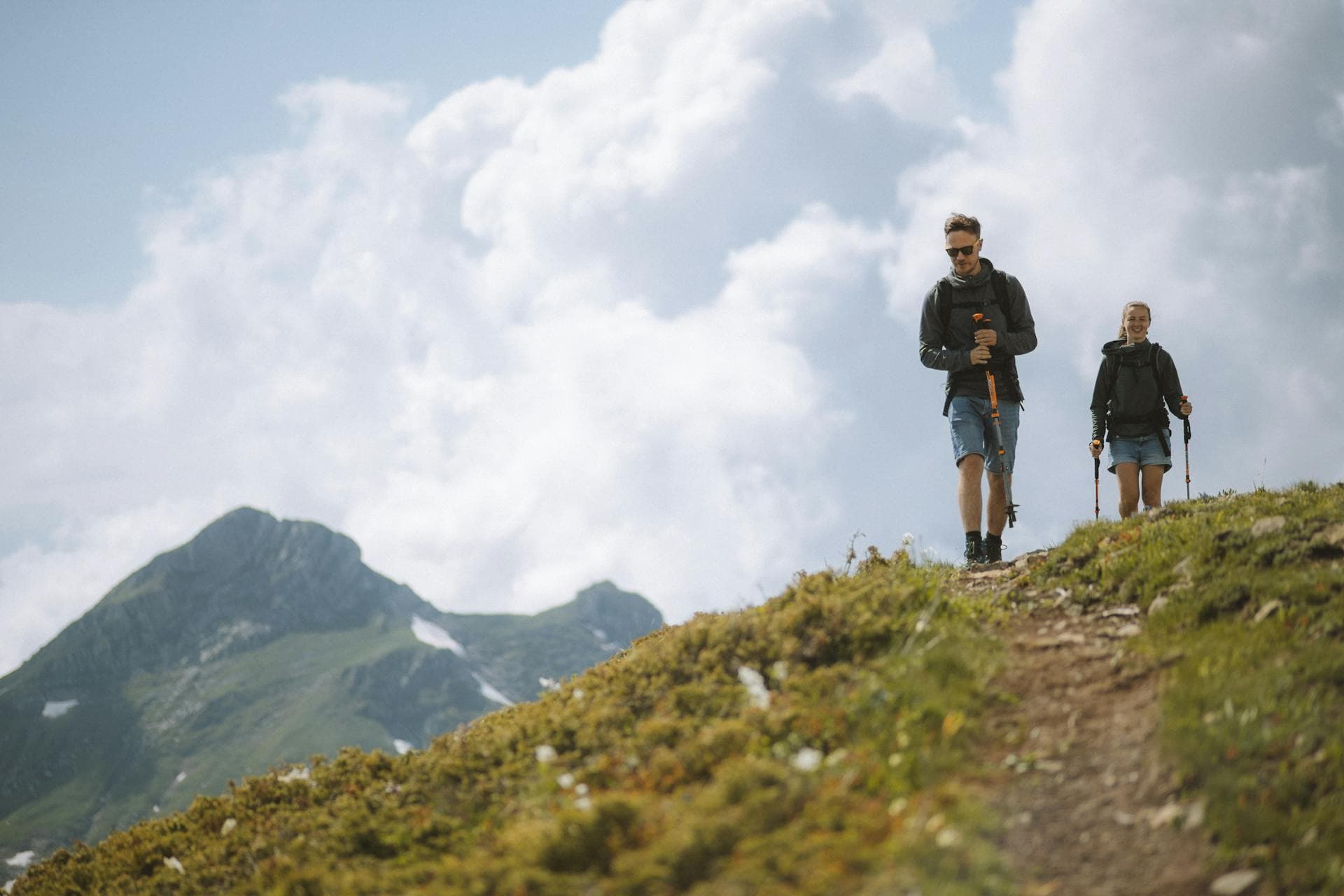
Your knees already know: Colorado trails hit different. Between loose scree fields on 14ers, steep descents through pine forests, and miles of rocky singletrack, your legs take a beating that flat-state hikers can't imagine. A solid pair of trekking poles can reduce knee impact by up to 25%, and on Colorado's rugged terrain, that's the difference between finishing strong and limping back to the trailhead.
I've rounded up the best trekking poles for Colorado hiking, covering everything from budget-friendly aluminum pairs to ultralight carbon fiber options built for long days above treeline.
Our top pick: Black Diamond Pursuit Trekking Poles — Sturdy aluminum construction with cork grips and FlickLock+ adjustability. The best all-around pole for Colorado's demanding terrain.
What You'll Learn
- Why Trekking Poles Matter on Colorado Trails
- Best Overall: Black Diamond Pursuit
- Best Budget: Montem Ultra Strong
- Best Ultralight: Black Diamond Alpine Carbon Cork
- Best Folding: Black Diamond Pursuit FLZ
- Best Budget Carbon: Cascade Mountain Tech Carbon Fiber
- Best for Women: Leki Cressida Cork Lite
- Best with Shock Absorption: Black Diamond Pursuit Shock
- How to Choose Trekking Poles for Colorado
- Frequently Asked Questions
Why Trekking Poles Matter on Colorado Trails
Colorado isn't flat trail country. Here's why poles aren't optional for serious hikers here:
Altitude and thin air. Above 10,000 feet, your body works harder with every step. Poles distribute effort across your upper body, which means less fatigue in your legs when the oxygen gets thin. On a long 14er push, that energy savings adds up fast.
Rocky, uneven terrain. From the talus fields above treeline to the root-tangled trails in the Front Range foothills, Colorado ground wants to twist your ankle. Two extra contact points keep you stable when the footing gets sketchy.
Steep descents. Colorado trails don't mess around with switchbacks the way other states do. You'll face long, steep drop-offs where your knees absorb thousands of pounds of impact per mile. Poles take a significant chunk of that force off your joints.
Stream crossings and snowfields. Late-season snow and spring runoff mean you'll cross water and packed snow regularly. Poles give you the balance to keep your boots dry (or at least keep you upright).
If you're hiking Colorado's 14ers, poles aren't just nice to have. They're essential gear.
Best Overall: Black Diamond Pursuit
Why it's our top pick for Colorado hikers
The Black Diamond Pursuit has earned its reputation as the go-to trekking pole for serious hikers, and it's particularly well-suited for Colorado conditions. The all-aluminum shaft handles impacts against granite boulders and rocky trail surfaces without the cracking risk you get with cheaper carbon poles.
Key specs:
- Weight: 1 lb 0.4 oz per pair (S/M)
- Material: Aluminum shaft
- Grip: Cork
- Lock type: FlickLock+
- Type: Telescoping, 3-section
The cork grips are a standout feature for Colorado. They wick moisture from sweaty hands during hot summer climbs and stay comfortable in cold morning temperatures. The ergonomic shape reduces hand fatigue on those 6+ hour 14er days.
Black Diamond's FlickLock+ mechanism lets you adjust pole length quickly, which matters when you're transitioning from a steep uphill to a flat ridge walk. The locks hold firm even after hours of vibration on rocky ground.
What could be better: The collapsed length of 24.4 inches (S/M) is longer than folding designs, so stowing them on your pack takes more real estate. And at around $160, they're pricier than basic aluminum poles. But you're paying for durability and comfort that'll last for years of Colorado adventures.
Best Budget: Montem Ultra Strong
Great poles without breaking the bank
Not everyone wants to drop $150+ on trekking poles, and the Montem Ultra Strong proves you don't have to. At around $75 for a pair, these aluminum poles deliver solid performance for weekend hikers and folks who are new to using poles on Colorado trails.
Key specs:
- Weight: 9.6 oz per pole
- Material: 7075 Aluminum
- Grip: EVA foam
- Lock type: Quick-lock
- Type: Telescoping, 3-section
The 7075 aluminum construction is the same aircraft-grade alloy used in much pricier poles. It handles rocky terrain well and won't snap if you wedge a tip between boulders. The EVA foam grips are comfortable enough for day hikes, though they don't breathe as well as cork on long, sweaty climbs.
Montem includes a lifetime replacement warranty, which adds real value at this price point. If something breaks or wears out, they'll send you new poles.
What could be better: The quick-lock mechanism isn't as refined as Black Diamond's FlickLock system. It works, but it requires more attention to make sure your poles stay at the right height. The foam grips also absorb sweat over time, which can get funky after a season of heavy use.
For hikers tackling moderate Front Range trails and the occasional 14er, these are a smart entry point. If you're doing multi-day backpacking trips or hitting Class 2+ routes, spend more on the Pursuit.
Best Ultralight: Black Diamond Alpine Carbon Cork
For weight-conscious peak baggers
When every ounce counts on a long approach to a remote 14er, the Black Diamond Alpine Carbon Cork shaves significant weight without sacrificing the features you need. The 100% carbon fiber shafts make these noticeably lighter than aluminum alternatives.
Key specs:
- Weight: ~15 oz per pair
- Material: 100% Carbon fiber
- Grip: Cork
- Lock type: FlickLock Pro
- Type: Telescoping, 3-section
Carbon fiber really shines on long days. The reduced swing weight means less arm fatigue over miles, which matters when you're already battling thin air above 12,000 feet. The cork grips conform to your hands over time and stay comfortable in both heat and cold.
The FlickLock Pro adjustment system is Black Diamond's most refined design, offering smooth, reliable length changes even with gloves on. That's a real plus during early morning alpine starts when temperatures can drop below freezing.
What could be better: Carbon fiber can crack or snap on hard impacts, unlike aluminum which bends. If you're scrambling through talus fields or using your poles aggressively on rocky Class 2 terrain, aluminum is the safer bet. These also cost more, typically running around $200 per pair.
Best for experienced Colorado hikers who've already dialed in their gear and want to go lighter.
Best Folding: Black Diamond Pursuit FLZ
Compact storage for scrambling and travel
The Black Diamond Pursuit FLZ takes everything good about the standard Pursuit and adds a Z-fold design that collapses to just 16.1 inches. That's a game-changer on Colorado trails where you need to stow your poles for technical scrambling sections.
Key specs:
- Weight: ~1 lb 2 oz per pair
- Material: Aluminum
- Grip: Cork
- Lock type: FlickLock + Z-fold
- Type: Folding/collapsible
Many Colorado 14er routes involve Class 2 or Class 3 scrambling near the summit. With telescoping poles, you're either strapping them awkwardly to your pack or carrying them while trying to use your hands on rock. The FLZ folds small enough to fit inside most daypacks, so you can deploy them for the approach and pack them away when the scrambling starts.
Setup takes about 10 seconds. Unfold, lock the FlickLock, and you're moving. The cork grips and overall build quality match the standard Pursuit.
What could be better: The Z-fold joints add a tiny bit of flex compared to a solid telescoping pole. Most hikers won't notice, but if you're a heavier person or lean hard on your poles during steep descents, the standard Pursuit feels slightly more rigid. The FLZ also costs about $20 more.
Best Budget Carbon: Cascade Mountain Tech Carbon Fiber
Ultralight on a budget
The Cascade Mountain Tech Carbon Fiber poles are wildly popular for good reason: you get carbon fiber weight savings at a fraction of what premium brands charge. At around $40-50 per pair, they're one of the cheapest ways to go ultralight.
Key specs:
- Weight: 8.47 oz per pole
- Material: Carbon fiber
- Grip: Cork
- Lock type: Quick flip-lock
- Type: Folding, 3-section
At under 9 ounces per pole, these are among the lightest options on this list. They fold down to about 16.75 inches for easy packing, and the cork grips are surprisingly comfortable for the price.
Colorado Costco shoppers might recognize this brand. Cascade Mountain Tech is a Pacific Northwest company that's built a loyal following by offering solid gear at aggressive prices.
What could be better: Durability is the trade-off. The carbon shafts and plastic adjustment system aren't built for years of abuse on Colorado's rocky trails. Aggressive use on talus fields, hard drops between boulders, or heavy leaning during steep descents can crack the shafts. The flip-lock mechanism also loosens over time and needs periodic tightening.
These are great for hikers on a budget who treat their poles carefully. If you tend to jam your poles into rock crevices or use them as brakes on scree slopes, spend more on aluminum.
Best for Women: Leki Cressida Cork Lite
Designed for smaller hands and lighter frames
The Leki Cressida Cork Lite is one of the few trekking poles actually engineered for women, not just painted pink and called "women's." The grip diameter is smaller, the strap length is shorter, and the overall pole configuration runs lighter and shorter than unisex models.
Key specs:
- Weight: ~1 lb per pair
- Material: Aluminum
- Grip: Cork (women's-specific sizing)
- Lock type: SpeedLock 2
- Type: Telescoping, 3-section
Leki's SpeedLock 2 mechanism is one of the most reliable locking systems in the business. It holds your height setting firmly and adjusts with a simple lever flip. The women's-specific cork grips reduce hand fatigue by matching a smaller hand shape, which makes a real difference on 8-10 mile days.
The 90-125cm adjustment range covers most women between 5'0" and 5'10" comfortably.
What could be better: The Cressida runs around $140-160, which is premium pricing. Taller women (5'10"+) might max out the adjustment range on steep downhill sections where you'd want longer poles. And like all aluminum poles, they're a few ounces heavier than carbon alternatives.
Best with Shock Absorption: Black Diamond Pursuit Shock
Easiest on your joints for long descents
If your knees already give you trouble on Colorado's steep downhills, the Black Diamond Pursuit Shock adds a built-in shock absorption system that softens every plant of the pole. It's the same great Pursuit design with an internal dampening mechanism.
Key specs:
- Weight: ~1 lb 3 oz per pair
- Material: Aluminum
- Grip: Cork
- Lock type: FlickLock+
- Type: Telescoping, 3-section
The shock system is subtle but effective. You won't feel a bouncy, disconnected sensation like some older shock-absorbing poles. Instead, there's a slight give that takes the edge off hard impacts. On a 3,000-foot descent off a 14er, your wrists, elbows, and shoulders will thank you.
You get the same cork grips, FlickLock+ locks, and aluminum build quality as the standard Pursuit. The shock mechanism adds about 3 ounces of weight and roughly $30 to the price.
What could be better: The shock system absorbs some of your pushing power on uphills, making the poles feel slightly less efficient during steep climbs. Some hikers prefer a firm, direct connection with the ground. If you're primarily using poles for uphill power, stick with the standard Pursuit.
How to Choose Trekking Poles for Colorado
Aluminum vs. Carbon Fiber
Aluminum bends but doesn't break. On Colorado's rocky terrain, that's a major advantage. A bent pole still works; a cracked carbon pole is trash. Aluminum costs less and handles abuse better, making it the best choice for most Colorado hikers.
Carbon fiber saves weight and reduces vibration. If you're counting ounces for long backcountry trips or your arms fatigue easily, carbon is worth the trade-off. Just treat them with more care around rocks.
Telescoping vs. Folding
Telescoping poles are simpler, stronger, and easier to adjust on the fly. They're the best choice if you're using poles for the entire hike.
Folding poles pack smaller and deploy faster. They're ideal for Colorado routes that mix trail hiking with scrambling sections, since you can toss them in your pack when you need your hands free. If you're hiking routes that involve Class 2 scrambling, folding poles save you a lot of hassle.
Cork vs. Foam vs. Rubber Grips
Cork is the gold standard for Colorado. It wicks sweat, stays comfortable in cold temperatures, and molds to your hand shape over time. Worth the premium.
Foam (EVA) is lighter and softer initially, but absorbs moisture and can get slippery when wet. Fine for budget poles and shorter hikes.
Rubber grips are best for cold-weather use only. They insulate your hands but get slippery with sweat. Skip them for summer hiking.
Sizing and Adjustment
Most adjustable poles cover a wide range of heights. For Colorado specifically, you want enough adjustment range to shorten your poles for steep uphills (saves your shoulders) and lengthen them for descents (protects your knees). A 20-30cm adjustment range handles most terrain.
General height guide: When holding the pole with the tip on the ground, your elbow should form a 90-degree angle. Shorten by 5-10cm for uphills, lengthen by 5-10cm for downhills.
Frequently Asked Questions
Do I really need trekking poles for Colorado hiking?
You don't need them for every hike, but they make a huge difference on anything steep, long, or rocky. For 14ers, multi-day backpacking, and trails with significant elevation gain, poles reduce knee strain and improve stability. Most experienced Colorado hikers consider them essential gear.
Are carbon fiber trekking poles worth the extra cost?
For casual and moderate hikers, aluminum poles offer better value and durability on Colorado's rocky trails. Carbon fiber makes sense if you're doing long backcountry trips where every ounce counts, or if you've got joint issues and want reduced vibration. Budget carbon poles (like Cascade Mountain Tech) split the difference on price.
How do I use trekking poles on steep terrain?
Shorten your poles by 5-10cm for uphills so you're not reaching overhead. Lengthen them by 5-10cm for descents to keep your body upright and reduce knee impact. Plant your poles slightly ahead of you on downhills and let them absorb some of your weight with each step.
Can I bring trekking poles on a plane to Colorado?
Trekking poles must go in checked luggage. TSA won't allow them as carry-on items since they're considered potential weapons. Folding poles pack more easily in standard checked bags. If you'd rather not fly with poles, you can rent them at outdoor shops in Denver, Boulder, and most mountain towns.
What tips should I use for rocky Colorado trails?
Carbide or tungsten tips grip rock and hard-packed dirt best. Most quality poles come with carbide tips standard. Rubber tip covers are useful for paved sections and protecting your car's interior, but remove them for trail use. Replace worn tips annually if you hike frequently on rocky ground.
Colorado's trails reward hikers who come prepared, and trekking poles are one of the smartest investments you can make for comfort and safety on the mountain. Whether you're just getting started with day hikes near Denver or training for your first 14er, the right pair of poles will keep you moving stronger and longer.
Grab a pair, hit the trail, and let your knees thank you later.
Disclosure: Some links in this article are affiliate links. If you make a purchase through these links, we may earn a small commission at no extra cost to you. This helps support Colorado United and allows us to keep creating free hiking content. We only recommend products we genuinely believe in.