Best Water Filters for Hiking in Colorado (2026 Guide)
February 18, 2026
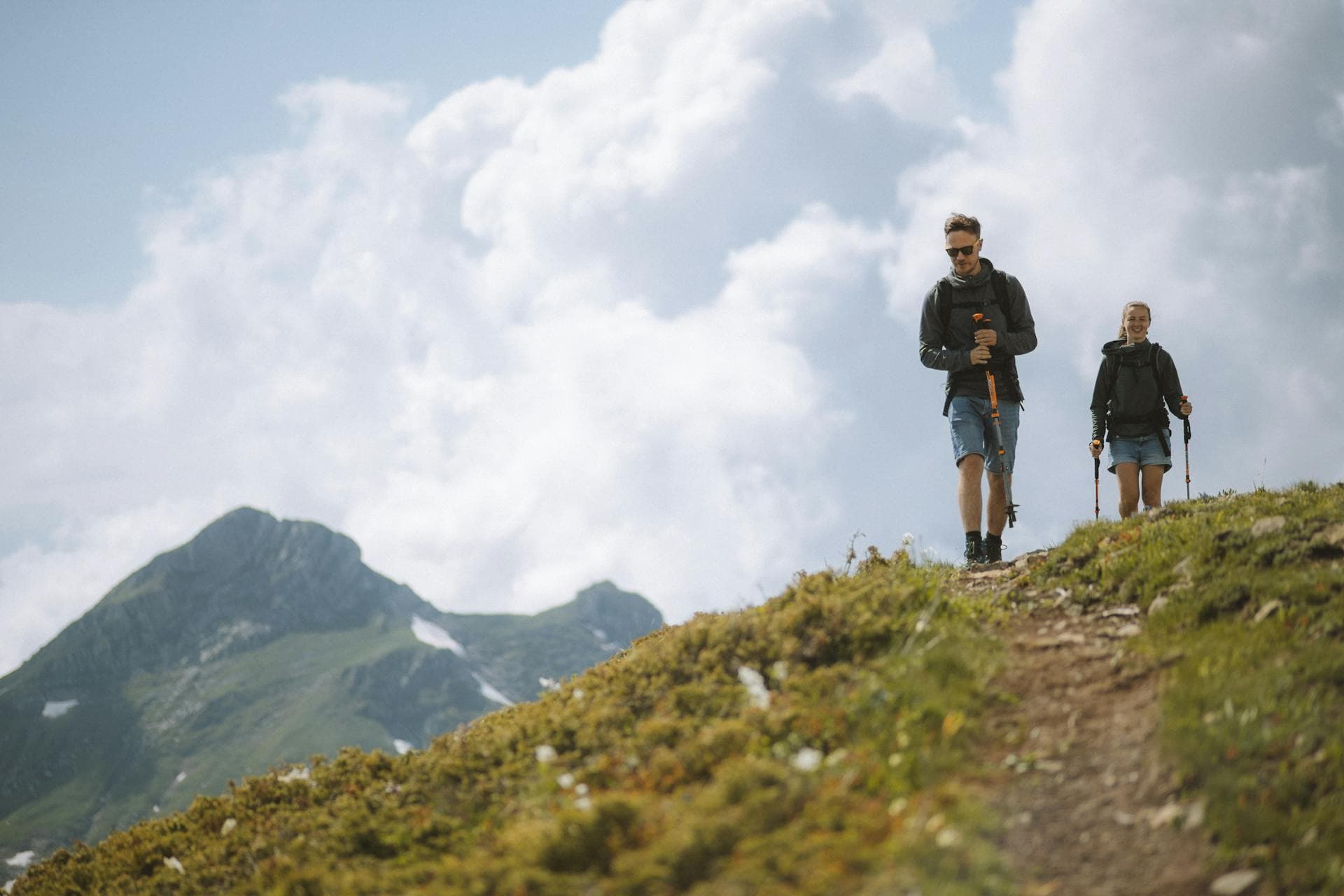
Colorado has some of the cleanest-looking mountain streams you will ever see. Crystal clear water tumbling over granite, snowmelt feeding alpine lakes, creeks running through wildflower meadows. It all looks perfect. And it might still make you violently ill.
Giardia, Cryptosporidium, and other waterborne pathogens live in Colorado's backcountry water sources regardless of how pristine they appear. Wildlife grazes along every watershed in the state, and even high alpine tarns above treeline can harbor parasites. A reliable water filter is not optional gear here. It is as essential as your boots.
Here are the best water filters for hiking Colorado's trails in 2026.
What to Look for in a Water Filter for Colorado
Before diving into specific products, it helps to understand what Colorado's backcountry demands from a water filter.
Altitude and cold temperatures. Many Colorado trails climb above 10,000 feet, and overnight temperatures can drop below freezing even in summer. Hollow fiber filters can be permanently damaged if water inside them freezes and expands, cracking the tiny tubes that do the actual filtering. If you hike or camp in cold conditions, you need a filter you can keep warm (inside your sleeping bag, in your jacket pocket) or a chemical treatment that is not affected by freezing.
Silty water sources. Snowmelt runoff, especially in late spring and early summer, carries fine glacial silt that clogs filters fast. A filter with easy backflushing or a large pore pre-filter will save you a lot of frustration on trails fed by snowfields.
Remote water sources. On long routes like the Colorado Trail or deep in the Weminuche Wilderness, you might go hours between water. When you do find a source, you want something that filters quickly so you are not standing around losing daylight.
Weight matters at altitude. Every ounce feels heavier above 12,000 feet. Lightweight filtration is not just a preference up here. It is a practical advantage when you are already breathing harder and moving slower.
1. Sawyer Squeeze: Best Overall Water Filter
The Sawyer Squeeze has earned its reputation as the go-to filter for backcountry hikers, and it holds up especially well on Colorado trails. At just 3 ounces for the filter itself, it is one of the lightest options available that still delivers strong performance.
Why it works for Colorado: The Squeeze uses a 0.1-micron hollow fiber membrane that removes 99.99999% of bacteria and 99.9999% of protozoa, which covers the main threats in Colorado's water. The flow rate sits around 1.7 liters per minute when the filter is clean, which means you are not waiting long at water sources. It threads directly onto standard plastic water bottles (like Smartwater bottles), making it dead simple to use.
The Colorado caveat: You absolutely need to protect this filter from freezing. On shoulder-season trips in the high country, tuck it into your sleeping bag at night. If ice crystals form inside the hollow fibers, the filter is compromised and you will not know it by looking at it.
Backflushing with the included syringe every few days keeps the flow rate from dropping, which is important when you are filtering silty snowmelt. The included squeeze pouches tend to wear out, so most experienced hikers swap them for Smartwater or CNOC bags.
Best for: Day hikes, weekend trips, thru-hikes, and just about any Colorado trail. This is the default choice for good reason.
2. Katadyn BeFree: Best Ultralight Filter
The Katadyn BeFree takes a different approach from the Sawyer. Instead of a hollow fiber tube you squeeze water through, the BeFree uses a pleated hollow fiber membrane built directly into the cap of a soft flask. You scoop water, screw on the cap, and drink or squeeze. That is it.
Why it works for Colorado: The BeFree weighs about 2 ounces with the included 1-liter flask. For 14er attempts and fast-and-light day hikes where every gram counts, that weight savings adds up. The flow rate is excellent when the filter is new, and swishing the filter element in clean water is enough to maintain it (no syringe needed).
The Colorado caveat: The BeFree's soft flask is not the most durable container for rough use, and the filter element has a shorter lifespan than the Sawyer. Katadyn rates it for about 1,000 liters before replacement. For weekend warriors that is plenty, but thru-hikers will need to carry a spare or plan resupply points.
Like the Sawyer, freezing will destroy this filter. Same protocol: keep it warm overnight in cold conditions.
Best for: Day hikers, peak baggers, and ultralight backpackers who prioritize weight savings and simplicity.
3. Platypus QuickDraw: Best Durability
The Platypus QuickDraw addressed one of the biggest complaints about squeeze-style filters: flimsy reservoirs. The QuickDraw comes with a sturdy, well-designed reservoir that holds up to abuse, and the filter cartridge screws into both the reservoir and your drinking bottle.
Why it works for Colorado: The reservoir is notably more durable than the pouches that ship with other squeeze filters. On rocky Colorado trails where your pack gets tossed around, that matters. The filter uses a 0.2-micron hollow fiber membrane and flows at about 3 liters per minute, which is faster than most competitors. It is easy to backflush by simply flipping the filter and squeezing clean water back through.
The Colorado caveat: It is slightly heavier than the Sawyer Squeeze setup (the filter and reservoir together weigh about 4.4 ounces). For most hikers that is a non-issue, but gram-counters will notice. Same freezing concerns apply.
Best for: Backpackers who want squeeze-filter convenience with a tougher, more reliable reservoir system. Great for multi-day trips in the Maroon Bells or Indian Peaks Wilderness.
4. Platypus GravityWorks 4L: Best for Group Trips
The Platypus GravityWorks is the filter you want when you are camping with a group. You fill the dirty water reservoir, hang it from a tree branch, and gravity does the work. Walk away, set up camp, and come back to 4 liters of clean water.
Why it works for Colorado: When you are car camping at a reservoir or base camping below a 14er with a group of four, nobody wants to sit there squeezing a filter for 20 minutes. The GravityWorks handles high volume without any effort. Fill, hang, wait. The 4-liter capacity means fewer trips to the water source.
The Colorado caveat: This is not a day hike filter. The full system weighs about 11.5 ounces and takes up more pack space. It also requires a place to hang the dirty bag above the clean bag, which can be tricky above treeline. The flow rate is slower than squeeze filters (about 1.75 liters per minute), but since you are not standing there doing the work, it does not feel slow.
Best for: Group backpacking trips, base camps, and car camping near water sources. If you regularly camp at Colorado's reservoirs or established backcountry sites, this earns its weight.
5. Sawyer Mini: Best Budget Option
The Sawyer Mini uses the same 0.1-micron hollow fiber technology as the Squeeze but in a smaller, lighter, and cheaper package. It is one of the most affordable filters on the market, making it a solid entry point for hikers building out their gear on a budget.
Why it works for Colorado: At roughly 2 ounces and often available for around $20 to $25, the Mini is hard to argue with on value. It does the same job as the Squeeze for less money. For occasional hikers or people who keep a filter in their emergency kit, it is a smart buy.
The Colorado caveat: The Mini's flow rate is noticeably slower than the Squeeze, and it clogs faster when filtering silty water. If you are pulling water from milky snowmelt creeks in June, expect to backflush more often. The smaller size also means more squeezing effort per liter.
For frequent hikers who filter a lot of water, the standard Squeeze is worth the upgrade. But if budget is the priority or you are just getting started, the Mini handles Colorado water just fine.
Best for: Budget-conscious hikers, emergency kits, and occasional trail users.
6. Katadyn Steripen Ultra: Best UV Purifier
The Katadyn Steripen Ultra takes a completely different approach. Instead of physically filtering particles out of water, it uses ultraviolet light to destroy the DNA of bacteria, viruses, and protozoa. You dip the wand into a liter of water, stir for about 90 seconds, and the water is safe to drink.
Why it works for Colorado: The Steripen is the only option on this list that handles viruses, which makes it a strong choice if you are also traveling internationally. For Colorado use, the real advantage is that it works regardless of water temperature and cannot be damaged by freezing the way hollow fiber filters can. For late-season and winter hikers, that is a genuine benefit.
The Colorado caveat: UV treatment does not remove sediment, taste, or odor. If you scoop water from a silty source, you will be drinking safe but gritty water. Many hikers pair a Steripen with a bandana pre-filter or a chemical treatment for murky sources. It also requires battery power (the Ultra has a rechargeable battery rated for about 8,000 uses), so you need to factor charging into your trip planning.
UV light is also less effective in turbid water because particles can shield pathogens from the light. For clear alpine streams, it works perfectly. For muddy trailside creeks after a rainstorm, pair it with pre-filtering.
Best for: Winter hikers, international travelers, and anyone who wants virus protection. Pairs well with a pre-filter for all-conditions use.
Quick Comparison
| Filter | Weight | Filter Size | Best For | Price Range |
|---|---|---|---|---|
| Sawyer Squeeze | 3 oz | 0.1 micron | All-around use | $35-50 |
| Katadyn BeFree | 2 oz | 0.1 micron | Ultralight hiking | $40-50 |
| Platypus QuickDraw | 4.4 oz | 0.2 micron | Durability | $45-60 |
| Platypus GravityWorks | 11.5 oz | 0.2 micron | Group trips | $110-140 |
| Sawyer Mini | 2 oz | 0.1 micron | Budget | $20-30 |
| Steripen Ultra | 5 oz | UV | Cold weather / viruses | $100-140 |
Colorado Water Filter Tips
Protect your filter from freezing. This cannot be said enough. On any trip where overnight temps might drop below 32F, sleep with your filter. Body heat keeps the water inside from freezing and cracking the membrane.
Carry backup purification. A few Aquamira drops or Katadyn Micropur tablets weigh almost nothing and can save your trip if your primary filter fails. On remote routes in the Weminuche, Gore Range, or Flat Tops, backup water treatment is cheap insurance.
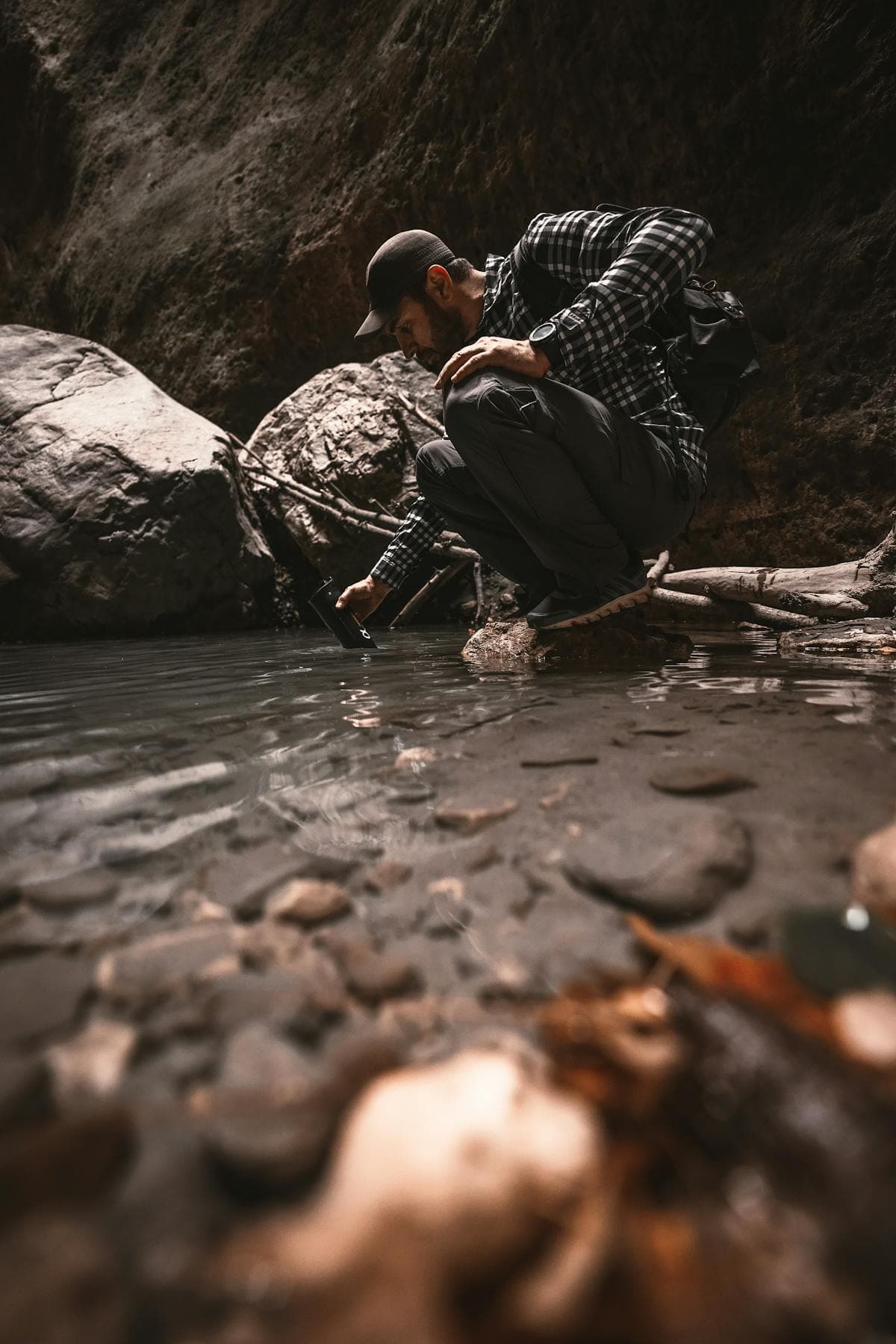
Scoop from the cleanest part of the source. Even with a filter, pulling water from a still, clear section rather than a muddy bank extends your filter's life and makes the job easier. In silty conditions, let water settle in a container for a few minutes before filtering.
Plan your water carries. Some Colorado trails, especially on exposed ridgelines and mesa tops, have long dry stretches. Know where your water sources are before you start hiking. Apps like Guthook (now FarOut) and printed topo maps both help.
Hydrate more than you think you need. Altitude dehydrates you faster than low-elevation hiking. At 10,000+ feet, you lose more moisture through respiration, and the dry mountain air pulls water from your body quickly. Filter early and often.
The Bottom Line
For most Colorado hikers, the Sawyer Squeeze is the right call. It is light, affordable, effective, and proven on thousands of miles of trail. If you want to shave weight, the Katadyn BeFree is a close second. Group campers should look at the GravityWorks, and cold-weather hikers should seriously consider the Steripen Ultra for its freeze-proof operation.
Whatever you choose, just make sure you actually carry it and use it. Colorado's backcountry water looks clean. It often is not. A good filter weighs a few ounces and keeps your trip on track instead of ending it at a trailhead bathroom.
Frequently Asked Questions
Is it safe to drink water from Colorado streams?
Never drink untreated water from Colorado streams. Giardia and other parasites are common even in clear, cold mountain water. Always filter, purify, or boil water before drinking, regardless of how clean it looks.
What's the best water filter for backpacking in Colorado?
Squeeze filters like the Sawyer Squeeze are popular for their light weight and reliability. For groups, gravity filters save time at camp. UV purifiers like the SteriPEN work fast but need batteries and don't remove sediment.
How often should I replace my hiking water filter?
Sawyer filters last for 100,000 gallons with proper backflushing. Pump filters need cartridge replacements every 500-1,000 liters. UV purifiers need new batteries regularly. Always backflush after each trip to maintain flow rate.
Can I use a LifeStraw for hiking in Colorado?
LifeStraws work but aren't ideal for Colorado hiking. You can't fill a bottle with clean water, which makes cooking and sharing difficult. A Sawyer Squeeze or BeFree gives you more flexibility at a similar price point.
Disclosure: Some links in this article are affiliate links. If you make a purchase through these links, we may earn a small commission at no extra cost to you. This helps support Colorado United and allows us to keep creating free hiking content. We only recommend products we genuinely believe in.