Indian Peaks Wilderness 2026: Hiking Guide & Permits
January 10, 2026
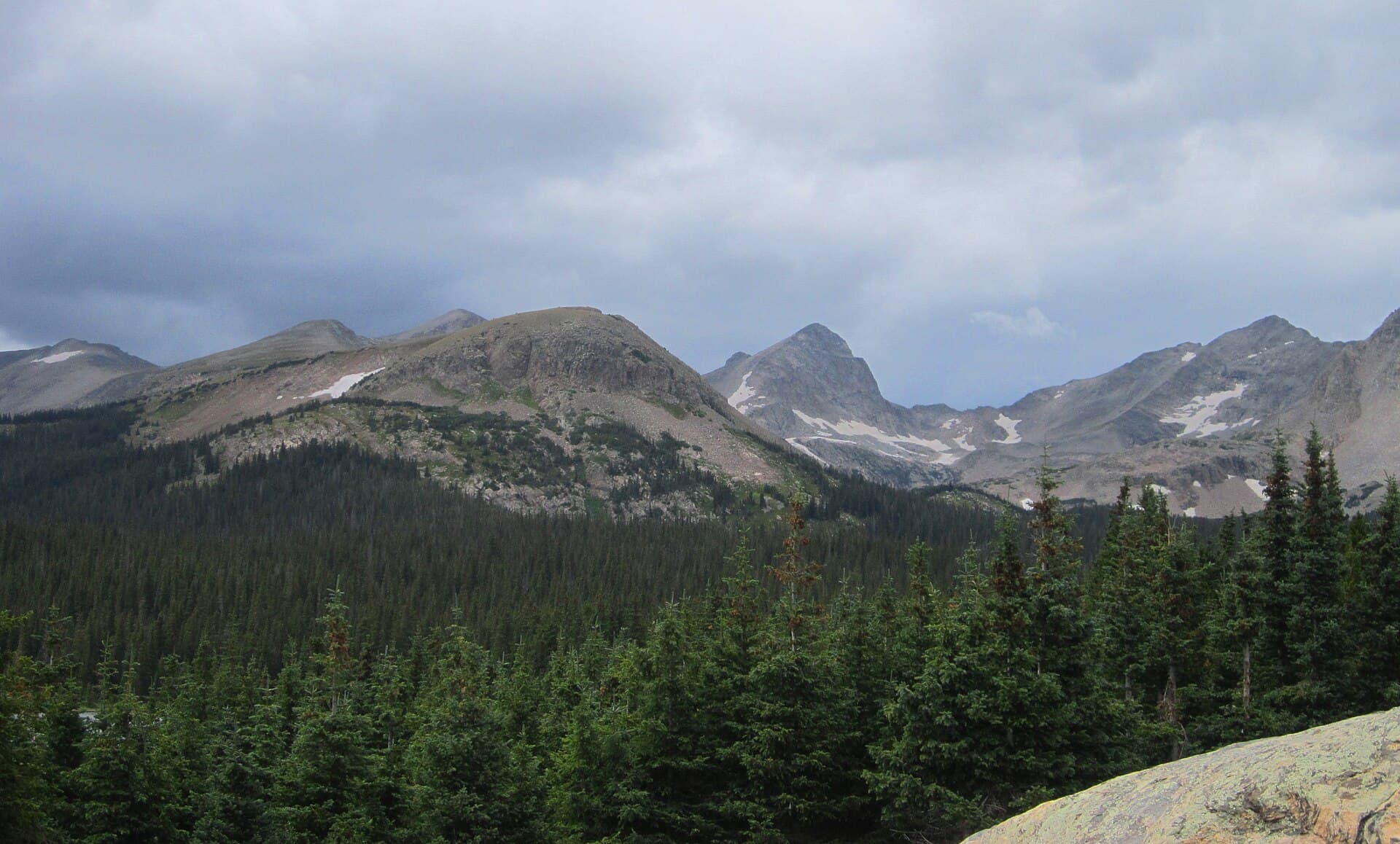
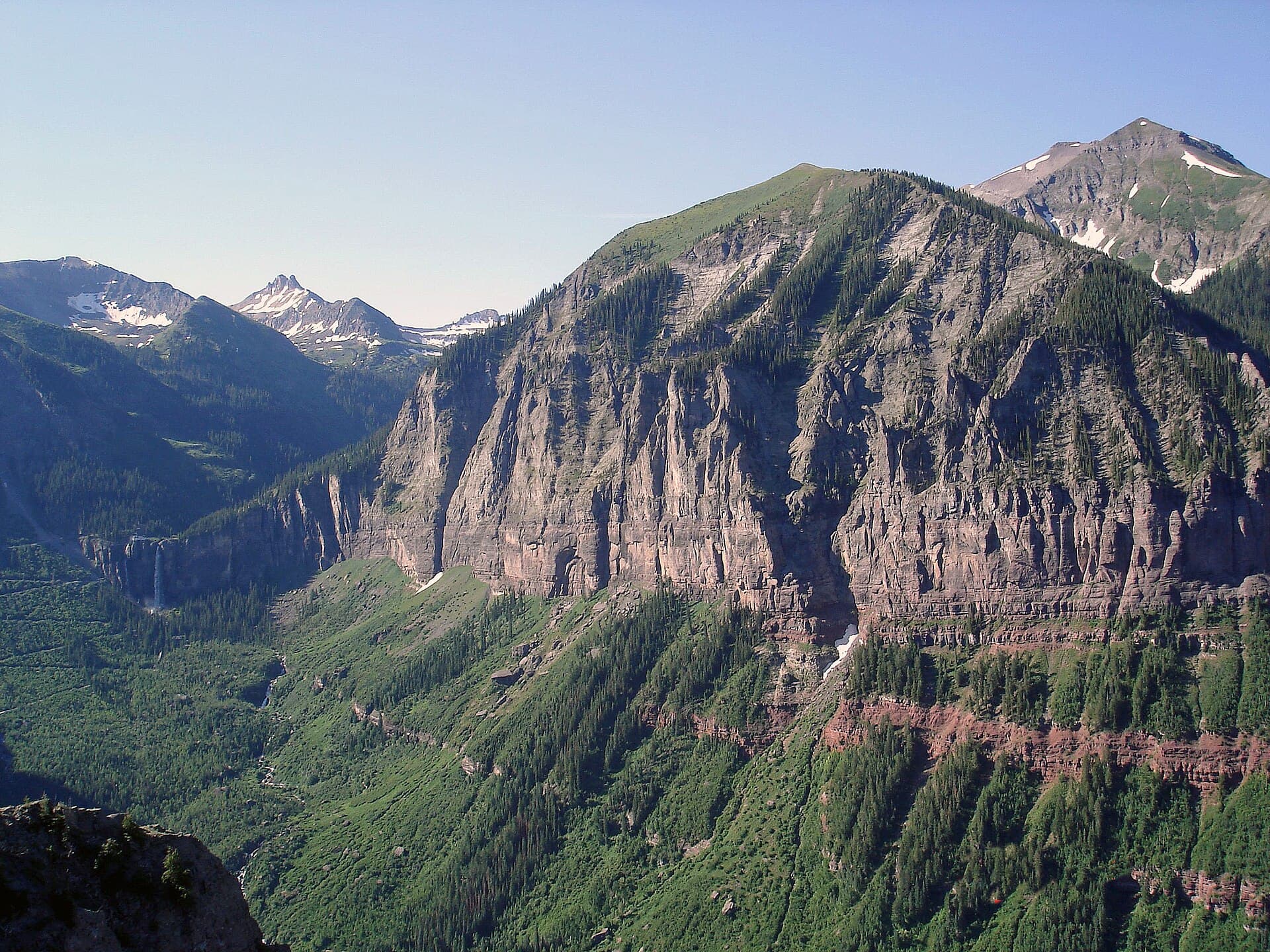
Welcome to our journey through the breathtaking Indian Peaks Wilderness, a pristine and enchanting natural wonderland in Colorado. In this article, we will be exploring the history, geography, and hiking opportunities of this extraordinary place.
With over 130 miles of well-maintained trails, the Indian Peaks Wilderness offers hiking opportunities for adventurers of all skill levels. You can either do easy single-day tracks, or more challengind multi-day tracks depending on your level.
Day Hikes
There are numerous day hikes within the Indian Peaks Wilderness that offer stunning views and rewarding experiences. Some popular options include:
-
Lake Isabelle Trail – A moderate 4.5-mile round trip hike that leads to the picturesque Lake Isabelle, surrounded by jagged peaks.
-
Lost Lake Trail – An easy 4-mile round trip hike that takes you through lush forests to the serene Lost Lake.
-
Blue Lake Trail – A moderate 6-mile round trip hike that features cascading waterfalls and ends at the stunning Blue Lake.
Backpacking Adventures
For those seeking a more challenging and immersive experience, the Indian Peaks Wilderness offers several multi-day backpacking trips. These journeys allow you to truly connect with the wilderness and explore its beauty at a deeper level. Some recommended backpacking routes include:
-
Pawnee-Buchanan Loop – A challenging 26-mile loop that takes you through alpine meadows, past sparkling lakes, and over Pawnee Pass (12,541 ft) and Buchanan Pass (11,837 ft). This trail offers a true taste of the Indian Peaks Wilderness, showcasing its diverse landscapes and breathtaking views.
-
Crater Lake and Mirror Lake Loop – A moderate 15-mile loop that leads you to the stunning Crater Lake and Mirror Lake, both nestled beneath the impressive Lone Eagle Peak. This trail offers a perfect blend of solitude and scenery.
-
Arapaho Glacier Trail to South Arapaho Peak – A strenuous 8.5-mile round trip hike that takes you through alpine tundras and rocky terrain, ultimately rewarding you with panoramic views from the summit of South Arapaho Peak.
Before embarking on any backpacking trip, be sure to obtain a permit and familiarize yourself with the rules and regulations of the Indian Peaks Wilderness. This will ensure a safe and enjoyable experience for both you and the environment.
Conclusion: Experience the Magic of the Indian Peaks Wilderness
The Indian Peaks Wilderness is a true gem, offering unparalleled beauty and adventure for hikers and outdoor enthusiasts. With its diverse landscapes, rich history, and abundant recreational opportunities, this wilderness area is a must-visit destination for anyone seeking to explore the great outdoors.
So, lace up your hiking boots, grab your backpack, and set out on an unforgettable adventure in the Indian Peaks Wilderness. You'll be rewarded with memories and experiences that will last a lifetime.
Essential Gear
Don't forget these essentials:
-
Quality hiking boots
-
Hydration pack or water bottles
-
Sun protection and layers
Related Adventures: See our guide here and explore more trails.
Frequently Asked Questions
Do I need a permit for Indian Peaks Wilderness?
Day hiking permits aren't required, but overnight camping permits are mandatory from June 1 through September 15. Permits cost $5 per person and can be reserved through recreation.gov. Popular zones sell out, so book early.
What's the best hike in Indian Peaks Wilderness?
Blue Lake via the Mitchell Lake trailhead is a popular choice with stunning alpine scenery. Isabelle Lake and Pawnee Pass offer more challenging options. Diamond Lake is great for families looking for a moderate hike.
When is Indian Peaks Wilderness open?
The wilderness is open year-round, but most trails are snow-free from late June through October. The Brainard Lake Road gate opens in mid-June. Winter access requires snowshoes or skis and adds significant distance.
Are dogs allowed in Indian Peaks Wilderness?
Dogs are allowed in Indian Peaks Wilderness but must be on a leash at all times. The terrain can be tough on dogs' paws, so consider booties for rocky trails. Bring extra water since alpine lakes aren't always accessible.
Disclosure: Some links in this article are affiliate links. If you make a purchase through these links, we may earn a small commission at no extra cost to you. This helps support Colorado United and allows us to keep creating free hiking content. We only recommend products we genuinely believe in.