11 Best Alpine Lake Hikes in Colorado (2026 Guide)
March 31, 2026
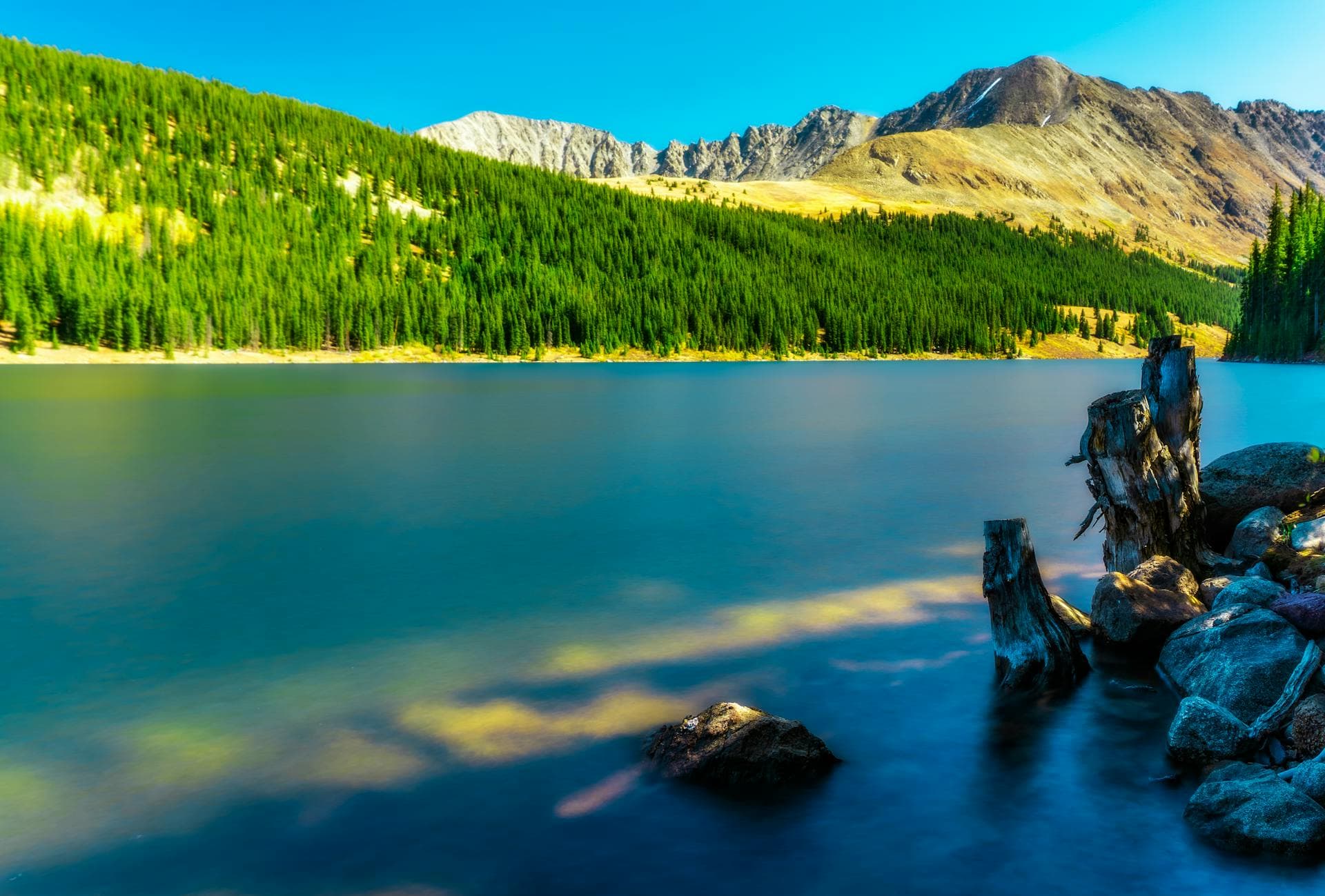
Colorado has over 2,000 alpine lakes tucked into its mountain ranges, and honestly, picking the best ones feels impossible. I've narrowed it down to 11 that deliver the kind of jaw-dropping scenery you'll remember for years. Whether you're looking for an easy stroll to a glacial tarn or a grunt-fest that rewards you with electric blue water, there's a lake on this list for you.
Here's what you need to know before you lace up your hiking boots and hit the trail.
Table of Contents
- Blue Lakes Trail (Ouray)
- Emerald Lake (Rocky Mountain National Park)
- Sky Pond (Rocky Mountain National Park)
- Crater Lake (Maroon Bells)
- Lake Haiyaha (Rocky Mountain National Park)
- St. Mary's Glacier
- Mohawk Lakes (Breckenridge)
- Ice Lake Basin (Silverton)
- Herman Lake (Georgetown)
- Snowmass Lake (Aspen)
- Lake Isabelle (Indian Peaks)
- What to Bring on an Alpine Lake Hike
- FAQ
Blue Lakes Trail (Ouray)
Distance: 8.7 miles round trip | Elevation Gain: 2,509 ft | Difficulty: Strenuous
If someone put a gun to my head and told me to pick one alpine lake hike in Colorado, it'd be Blue Lakes. You get three lakes for the price of one — Lower, Middle, and Upper Blue Lakes — and each one is more absurdly blue than the last. The color comes from glacial rock flour suspended in the water, and photos don't do it justice.
The trail starts off Mount Sneffels Road (County Road 7) south of Ridgway. It's steep from the jump, gaining over 2,500 feet through wildflower meadows and rocky switchbacks. Lower Blue Lake sits in a massive cirque with Mount Sneffels towering above it. Keep going to Middle and Upper for fewer crowds and even more dramatic scenery.
When to go: Late June through September. Snow lingers on the upper sections well into July most years.
Pro tip: Start early. The parking area fills up by 8 AM on summer weekends. Bring trekking poles — your knees will thank you on the descent.
We've got a full breakdown in our Blue Lakes Trail guide if you want the complete beta.
Emerald Lake (Rocky Mountain National Park)
Distance: 3.6 miles round trip | Elevation Gain: 698 ft | Difficulty: Easy to Moderate
Emerald Lake is the crown jewel of the Bear Lake corridor, and it's one of the most accessible alpine lakes in the state. The trail passes two other gorgeous lakes — Nymph Lake and Dream Lake — before reaching Emerald Lake, which sits in a dramatic cirque below Hallett Peak and Flattop Mountain.
The hike is short enough for families but scenic enough to keep serious hikers happy. Emerald Lake's deep green water reflects the surrounding peaks on calm mornings, and it's genuinely one of the prettiest spots in all of RMNP.
When to go: Year-round, though you'll need microspikes from November through April. Summer means crowds, so arrive before 7 AM or after 4 PM.
Pro tip: Don't skip Dream Lake at the halfway point. Many hikers say it's actually prettier than Emerald.
Check out our Emerald Lake Trail guide for parking info and seasonal conditions.
Sky Pond (Rocky Mountain National Park)
Distance: 9.4 miles round trip | Elevation Gain: 1,752 ft | Difficulty: Strenuous
Sky Pond might be the single most spectacular alpine lake in Colorado. It sits at 10,900 feet in a glacial cirque ringed by the Cathedral Spires — jagged rock towers that look like they belong in Patagonia. Getting there requires scrambling up a Class 2 waterfall called Timberline Falls, which adds a sense of adventure you don't get on most lake hikes.
Along the way you'll pass The Loch (another stunning lake worth a stop) and Lake of Glass, which is almost as impressive as Sky Pond itself. Three alpine lakes in one hike? That's a deal.
When to go: Late June through October. The Timberline Falls scramble is dangerous when icy, so don't attempt it before the snow melts.
Pro tip: Bring a water filter. This is an all-day outing and you'll want to top off at The Loch. Read our water filter guide to find the right one.
Crater Lake (Maroon Bells)
Distance: 3.6 miles round trip | Elevation Gain: 715 ft | Difficulty: Moderate
Most people visit the Maroon Bells for the iconic view from Maroon Lake, snap a photo, and leave. That's a mistake. If you keep hiking past the lake and up the valley, you'll reach Crater Lake — a far quieter, more rugged alpine lake sitting directly below the Maroon Bells' massive north faces.
The trail follows the West Maroon Creek valley through aspen groves and wildflower meadows. Crater Lake itself isn't as colorful as some others on this list, but the setting is unbeatable. You're staring straight up at two 14,000-foot peaks reflected in still water.
When to go: Late June through September. The Maroon Bells shuttle bus runs from mid-June to early October (no private vehicles allowed during peak hours).
Pro tip: Continue past Crater Lake toward Buckskin Pass for one of the best viewpoints in the entire Elk Mountains. Just add an extra 2 miles and 1,200 feet of climbing.
Lake Haiyaha (Rocky Mountain National Park)
Distance: 4.4 miles round trip | Elevation Gain: 985 ft | Difficulty: Moderate
Lake Haiyaha is RMNP's hidden gem. While most hikers follow the Bear Lake corridor to Dream and Emerald lakes, the spur trail to Haiyaha veers off into less-traveled territory. The payoff? An otherworldly aqua-green lake surrounded by massive granite boulders that look like they were dropped there by giants.
The name "Haiyaha" comes from an Arapaho word meaning "big rocks," and that's exactly what you'll find. The shoreline is a boulder field, perfect for scrambling and finding your own private spot.
When to go: June through October. Less crowded than Emerald Lake but still busy on summer weekends.
Pro tip: For the best loop, go up via Nymph Lake and come back via the Lake Haiyaha trail junction to Bear Lake.
St. Mary's Glacier
Distance: 1.9 miles round trip | Elevation Gain: 807 ft | Difficulty: Easy
St. Mary's Glacier is technically a permanent snowfield, not a glacier, but the alpine lake at its base is the real star. This is the easiest alpine lake hike on the list and one of the closest to Denver — it's about an hour west on I-70 near Idaho Springs.
The trail is short and steep, climbing through a pine forest before opening up to the lake and snowfield. On warm summer days you'll see people skiing and sledding on the snow above the lake, which is kind of surreal.
When to go: Year-round. Winter hikers should bring microspikes and expect wind.
Pro tip: There's a $20 parking fee at both lots. Arrive early on weekends or you might not find a spot.
Get the full rundown in our St. Mary's Glacier hiking guide.
Mohawk Lakes (Breckenridge)
Distance: 7.2 miles round trip | Elevation Gain: 2,009 ft | Difficulty: Strenuous
Mohawk Lakes flies under the radar compared to some of the big-name lake hikes, and that's part of its charm. Located above Breckenridge, the trail climbs through old mining ruins, past a cascading waterfall, and up to a series of alpine lakes set below Pacific Peak.
Upper Mohawk Lake sits at 12,100 feet and is surrounded by talus fields and remnants of Colorado's mining history. You'll pass rusted ore carts and collapsed cabin frames along the way — a cool blend of natural beauty and human history.
When to go: Late June through September. The upper sections hold snow into July.
Pro tip: The first mile shares a road with a water treatment facility. It's ugly, but push through — the scenery gets dramatically better once you hit the forest.
Ice Lake Basin (Silverton)
Distance: 7 miles round trip | Elevation Gain: 2,483 ft | Difficulty: Strenuous
Ice Lake Basin is the wildflower capital of Colorado's alpine lakes. During peak bloom (late July through early August), the meadows below Ice Lake explode with columbine, Indian paintbrush, and dozens of other species. The lake itself sits at 12,585 feet and has that electric turquoise color you see on Instagram.
The trail is steep and unrelenting, climbing through forest, across meadows, and up a final rocky headwall to the lake. But the basin is so beautiful that you'll forget your burning quads the second you crest the ridge.
When to go: Mid-July through September for wildflowers. Snow covers the basin well into July most years.
Pro tip: If you've got the energy, continue to Island Lake (an extra 0.5 miles) for equally stunning scenery with about half the people.
Herman Lake (Georgetown)
Distance: 5.8 miles round trip | Elevation Gain: 1,700 ft | Difficulty: Moderate
Herman Lake sits at 12,000 feet in a broad, treeless basin below the Continental Divide. It's one of the more accessible high-altitude lakes along the I-70 corridor, making it a solid choice for Front Range hikers looking for a half-day adventure.
The trail climbs steadily through spruce forest before breaking out above treeline into alpine tundra. The lake itself is modest compared to some others on this list, but the views of the surrounding peaks and the relative solitude make it worthwhile.
When to go: Late June through October. This trail is exposed and gets hammered by afternoon thunderstorms — start early.
Pro tip: Pair this with a trip to Herman Gulch for waterfall views on the same trailhead access. We've got a full Herman Gulch Trail guide with everything you need.
Snowmass Lake (Aspen)
Distance: 17.2 miles round trip | Elevation Gain: 4,189 ft | Difficulty: Very Strenuous
Snowmass Lake is the big kahuna — a massive alpine lake sitting at 10,980 feet below Snowmass Mountain's imposing north face. Getting there is a full-day commitment (or better yet, an overnight backpacking trip), but it's one of the most spectacular alpine settings in the state.
The approach follows Snowmass Creek through dense forest, crosses several stream crossings, and eventually climbs steeply to the lake. Snowmass Mountain (14,092 feet) towers above the western shore, and the reflection on a calm morning is world-class.
When to go: Late June through September. This is prime backpacking territory — consider camping at the designated sites near the lake.
Pro tip: Bring a backpacking tent and make it an overnight trip. Rushing this in a day is possible but miserable. You'll also want a bear canister — this area has active black bears.
Lake Isabelle (Indian Peaks)
Distance: 8.6 miles round trip | Elevation Gain: 1,000 ft | Difficulty: Moderate
Lake Isabelle is a gem in the Indian Peaks Wilderness, sitting at 10,868 feet below the Continental Divide. The hike follows Long Lake before climbing gently to Isabelle's shore, where you'll find clear water, wildflower meadows, and views of Navajo and Apache peaks.
What makes Lake Isabelle special is the effort-to-reward ratio. The trail is well-maintained and never brutally steep, yet the alpine scenery rivals anything in Rocky Mountain National Park.
When to go: Late June through October. Indian Peaks requires a day-use permit from June 1 through September 15 — book early on recreation.gov.
Pro tip: Continue past Lake Isabelle toward Isabelle Glacier for an extra mile of above-treeline hiking with even bigger views. Grab a daypack with a hydration reservoir to keep your hands free on the rocky sections.
What to Bring on an Alpine Lake Hike
Colorado's alpine lakes sit between 10,000 and 13,000 feet, which means weather can change fast and conditions are harsher than at lower elevations. Here's what you shouldn't leave without:
- Layers: Temperatures can drop 20+ degrees between the trailhead and the lake. A packable down jacket is non-negotiable.
- Rain gear: Afternoon thunderstorms roll in almost daily from June through August. Bring a lightweight rain jacket.
- Sun protection: UV intensity increases roughly 4% for every 1,000 feet of elevation gain. Sunscreen, sunglasses, and a hat are must-haves.
- Water and filtration: Most alpine lakes and streams are safe to filter. A portable water filter saves weight versus carrying all your water.
- Traction devices: If you're hiking before July or after October, you'll likely encounter snow and ice. Microspikes weigh almost nothing and can save your trip.
- Navigation: Cell service is spotty to nonexistent at most alpine lakes. Download offline maps or bring a handheld GPS.
For more detailed recommendations, check out our guides on the best hiking boots for Colorado and top trekking poles.
FAQ
What's the easiest alpine lake hike in Colorado?
St. Mary's Glacier is the shortest and easiest on this list at just under 2 miles round trip. Emerald Lake in RMNP is another great option at 3.6 miles with moderate elevation gain. Both are doable for beginners and families with kids.
When is the best time to hike to alpine lakes in Colorado?
Mid-July through mid-September is the sweet spot. Most alpine lakes are snow-free by mid-July, wildflowers peak in late July to early August, and afternoon thunderstorms become less frequent in September. Check our spring hiking guide for early season options.
Do I need a permit to hike to alpine lakes in Colorado?
It depends on the location. Rocky Mountain National Park requires a timed entry reservation from late May through mid-October. Indian Peaks Wilderness requires a day-use permit from June through September. Most other trailheads on National Forest land don't require permits but may charge a parking fee.
Are Colorado's alpine lakes safe to swim in?
Technically yes, but they're cold — most sit between 35 and 50 degrees Fahrenheit even in summer. Quick dips are popular on hot days, but hypothermia is a real risk if you stay in too long. There's no lifeguard service at any alpine lake.
Can I fish in Colorado alpine lakes?
Many alpine lakes hold populations of cutthroat, brook, and rainbow trout. You'll need a valid Colorado fishing license, which you can buy online at cpw.state.co.us. Some lakes in wilderness areas have special regulations, so check before you cast. A lightweight backpacking fishing rod makes it easy to add fishing to any lake hike.
Disclosure: Some links in this article are affiliate links. If you make a purchase through these links, we may earn a small commission at no extra cost to you. This helps support Colorado United and allows us to keep creating free hiking content. We only recommend products we genuinely believe in.